Russia again sent the remains of its soldiers alongside the bodies of Ukrainian defenders

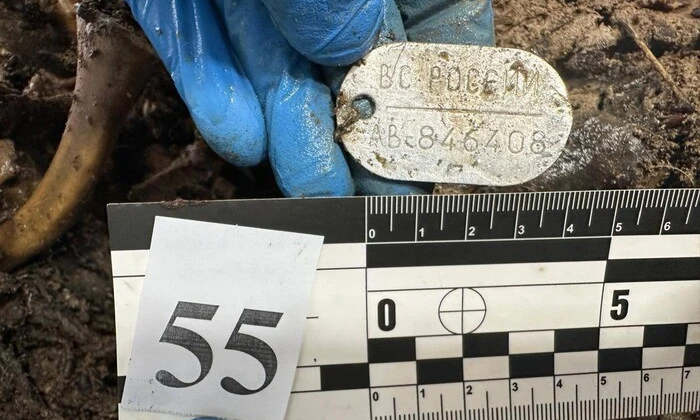
According to glavcom.ua: During the return of the bodies of the deceased, Ukrainian experts discovered the bodies of two Russian soldiers with military identification tags. Igor Klymenko, the head of the Ministry of Internal Affairs, reported this, citing the source - the 'Glavcom' website.
The Ukrainian side, in accordance with humanitarian principles, returned these bodies to the Russian side. DNA samples were taken prior to the transfer for the identification of the deceased. If relatives do not receive notifications, they are advised to contact the International Commission on Missing Persons.
«Tag numbers: AV 846408 and AV 449638... Currently, we have no confirmation that the Russian side has properly notified the relatives of these deceased that their bodies have been returned to Russian territory. Therefore, we appeal directly to the families of Russian servicemen who recognize the tag numbers mentioned above and have not yet received their loved one's remains.»
According to information, the Russian authorities may be disposing of the bodies of Russian soldiers or concealing the facts of repatriation. Ukraine urges the relatives of the deceased Russian soldiers to seek assistance from the International Commission on Missing Persons and Russian official institutions.
Earlier, it was claimed that Russian terrorists complicate the identification of the bodies of the deceased during exchanges. Russian presidential aide Vladimir Medinsky accused Ukraine of falsifications during the transfer of the bodies of Russian soldiers, comparing it to Nazi propaganda methods.
As a result of the repatriation of the deceased soldiers between Ukraine and Russia, the bodies of Russian soldiers with military identification tags were discovered, which may lead to further investigation regarding possible violations. The Ukrainian side emphasizes the need for the identification of the deceased and urges the relatives of servicemen to seek help by contacting the relevant institutions.

Read also