For the First Time in Four Years, Russians Have Lost Belief in Victory

Shift in Russian Public Opinion
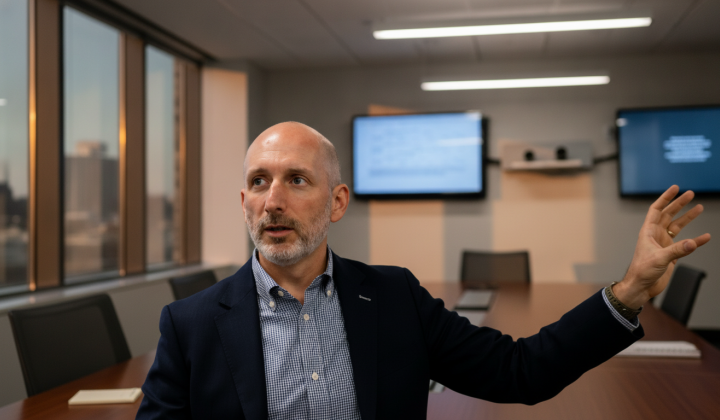
According to ХВИЛЯ: After four years of relative stability, a notable transformation has occurred in Russian public sentiment, according to Professor Sam Greene of King's College London. Key factors driving this change include economic strain, rising inflation, war fatigue, and dwindling hopes for a peace brokered by Trump-who is now focused on the conflict in Iran. There is now a growing preference for negotiations over continued military action, alongside a worsening assessment of the country's direction.
For four years, Russian public opinion remained remarkably steady despite major challenges such as battlefield losses, the Prigozhin mutiny, and drone strikes on cities. However, recent months have marked a shift. A stable majority of Russians now favors peace talks, and perceptions of the nation's trajectory have significantly declined. Approval ratings for Russia's president have dropped to their lowest point since late 2022.
Economic and Social Toll of the War
One reason peace hopes have faded is that the U.S. administration is preoccupied with the war in Iran, pushing negotiations further off the table. Finance Minister Siluanov has pointed to the need to cut spending due to budget overruns from the war, stating:
“It's time to cut spending because the war costs more than expected, and the budget has been overspent.” - Finance Minister Siluanov
Now in its fifth year, the war has also seen a rise in certain types of crime, including domestic violence, following the return of soldiers. Additionally, Girkin (Strelkov) has been arrested, and Prigozhin was killed-events that further underscore the tense atmosphere within the country. Greene observes:
“The line has finally wavered,” - Sam Greene
adding that ending the war is more dangerous for Putin than continuing it. “The light at the end of the tunnel has gone out,” he concludes, highlighting the difficult situation Russia now faces.
This shift in Russian public opinion reflects the deep economic and social crises gripping the country and calls into question the Kremlin's strategy of prolonging military operations. The growing desire among Russians for peace talks may signal changes in the political landscape that could influence leadership decisions and the conflict's future trajectory. Meanwhile, as the U.S. administration focuses on its commitments in Iran, the path to a peace agreement between Russia and Ukraine becomes even more uncertain, leaving the region in a state of limbo.
As public discontent grows, the Kremlin's patience with foreign negotiations is waning. Recent developments indicate a shift in Moscow's stance, with officials expressing frustration over the current negotiation dynamics. For a deeper understanding of this evolving situation and the implications for future diplomatic efforts, see how Moscow's demands for a new negotiation framework are shaping the landscape.

Read also