Russian Strike on Pivdennyi Port Triggers Oil Spill, Killing Over 1000 Birds

An Ecological Disaster in the Black Sea
According to Главком: A Russian attack on Pivdennyi Port on December 20, 2025, caused a massive spill of vegetable oil, inflicting severe damage on the regional ecosystem. The pollution occurred near the outlet of the Great Adzhalyk Estuary into the Black Sea, where over 1000 waterfowl, predominantly grebes, perished. This incident has raised significant alarm among ecologists and animal rights activists. The attack is part of a wider pattern of environmental damage resulting from the ongoing war in Ukraine.
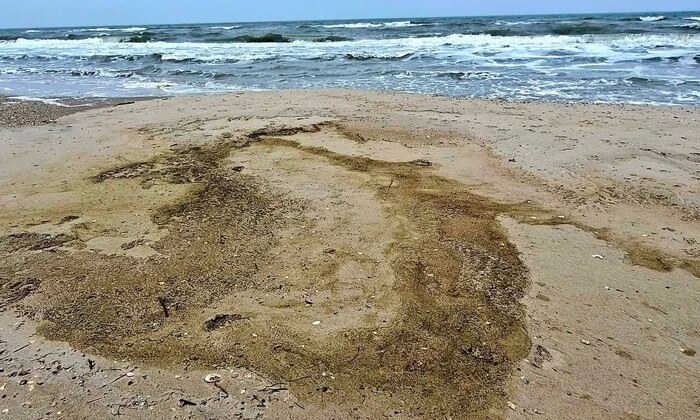
According to data, some of the spilled oil solidified and sank to the seabed due to low temperatures, contaminating the benthic layer. In the Odesa Bay, approximately 400 birds were rescued through efforts by the Odesa Zoo and private initiatives, but the survival rate for these birds was only 15-20%. A survey conducted on January 27, 2026, revealed several oil patches along a 15 km stretch of the spit, covering a total area of up to 5,000 square meters. The distance between the site of the initial spill and these new deposits was approximately 150 km.
Impact on the Ecosystem
Birds of five species were found along the coast, including:
- Great Crested Grebes,
- Black-necked Grebes,
- Red-throated Loons.
Subsequent surveys after storms showed that sand had covered the oil patches, and waves had carried away the remains of dead birds. Local predators, such as jackals, badgers, foxes, and raccoon dogs, may also have scavenged the carcasses.
Ecologist Ivan Rusev noted that the cold weather caused a portion of the oil to quickly settle on the seafloor, polluting significant areas of the benthic zone.
He emphasized that during storms, these bottom sediments are stirred back up into the water column, forming polymerized strands and clots that can suffocate aquatic life. The oil spill has dealt a serious blow to both seawater filter-feeding organisms and waterfowl.
This environmental catastrophe has provoked outrage among ecological organizations, which are calling for urgent measures to clean the contaminated areas and protect waterfowl.
The disaster caused by the oil spill may have long-term consequences for the region's biodiversity, as the pollution affects not only birds but other elements of the marine ecosystem. The critical importance of immediate cleanup and protection efforts is underscored by the fact that the loss of waterfowl can signal a broader threat to the entire marine environment. These events highlight the urgent need for enhanced safety measures in ports to prevent similar incidents in the future.

Read also