Olympic Skater's Music Pulled Over Russian Affiliation

Copyright Issues Complicate Figure Skating
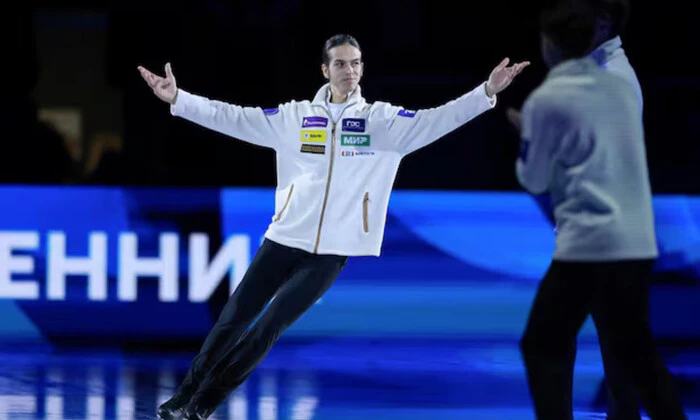
According to Главком: Russian figure skater Petr Gumennik, competing under a neutral flag at the Olympic Games in Milan and Cortina d'Ampezzo, has had the license to use his chosen music revoked due to his Russian nationality. The rights holders for the soundtrack to the film 'Perfume: The Story of a Murderer' withdrew permission specifically for Gumennik. His mother, Elena Gumennik, confirmed the cancellation was directly linked to his status as a Russian athlete. Consequently, Gumennik was forced into an urgent program change, selecting a new accompaniment: Edgar Hovhannisyan's 'Waltz 1805'. This incident highlights the complex intersection of sports, politics, and intellectual property in international competition.
Copyright problems are not unique to Gumennik. The American ice dance team of Christina Carreira and Anthony Ponomarenko are also using the same music this season. Furthermore, Gumennik was previously unable to secure rights for last year's program set to the 'Dune' soundtrack. Other skaters have faced similar hurdles:
- Spain's Tomàs-Llorenç Guarino Sabaté nearly lost his program to music from 'Despicable Me' after a refusal from Universal Studios.
- Belgium's Loena Hendrickx was compelled to replace Celine Dion's 'Ashes' (from 'Deadpool 2') with another song by the same artist.
The International Skating Union (ISU) recognizes this as a critical issue for the sport.
Gumennik's Complicated International Standing
While admitted to the Games as a neutral individual athlete, Gumennik's past actions have raised questions about his adherence to neutrality principles. He has worked with Ilya Averbukh, who is under Ukrainian sanctions for supporting the occupation of Crimea. Gumennik has also participated in shows for families of Russian military personnel and events financed by Russian state structures. These facts underscore the difficulty of his position on the world stage, where affiliation with a nation pursuing aggressive policies can lead to refusals of cooperation and copyright complications.
This situation illustrates the contemporary challenges for athletes from nations under international sanctions. The revocation of music licenses can significantly disrupt a skater's competitive preparation, impacting not only the creative process but also potentially altering their Olympic prospects. As geopolitical and economic tensions intensify, questions of neutrality and copyright compliance are becoming increasingly pivotal for international athletes.

Read also