Economic Strain and War Fatigue Fuel Rising Discontent in Russia

Growing Internal Discontent in Russia
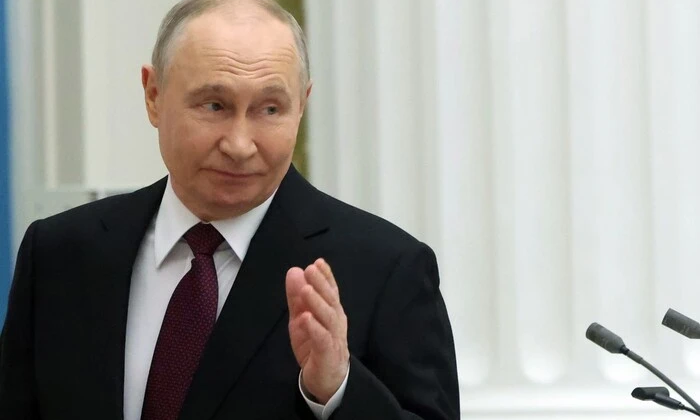
According to Главком: Disillusionment with the war is on the rise within Russian society, driven by worsening economic prospects, heavier tax burdens, restricted internet access, explosions, and overall exhaustion from a conflict that has now lasted longer than World War I. This prolonged fighting amplifies a sense of uncertainty among the populace. Vladimir Putin is attempting to show he can address issues like fuel shortages and air defense, but widespread repression and censorship in the Russian Federation make it unlikely that public dissatisfaction will evolve into a political challenge. Alexander Gabuev, director of the Carnegie Russia Eurasia Center in Berlin, estimates the chances of the domestic situation turning against Putin at only a few dozen percent.
Outlook and Potential Threats
Pressure from Ukraine increases the likelihood of an internal challenge for Putin. The most probable scenario involves a protracted conflict with continued destruction. Putin's future strategy will hinge on the scale of Ukraine's air campaign. Russia now faces isolation from the global economy, a months-long occupation of part of the Kursk region, and a mercenary mutiny. At the same time, Russia has lost between 350,000 and 450,000 troops, yet the Kremlin's stance remains unchanged.
Vladimir Putin has stated that Russia's primary goal is the complete takeover of Donbas and Novorossiya, claiming the situation remains under control for Russia and that Ukraine is retreating along the entire front line.
Ongoing Ukrainian pressure on Moscow's logistics is significant, as it forces Putin to react and erodes Russians' belief in victory and their leadership's ability to maintain control. Strikes on infrastructure are straining the Russian economy, adding to a general sense of instability in society.
Among the threats that could arise from the current situation are:
- the radicalization of hardline war supporters demanding more aggressive action;
- targeting of Ukrainian leadership;
- use of nuclear weapons.
As a result, the situation in Russia remains tense, and the prospects for resolving the conflict look uncertain.
The rise in war disillusionment in Russia may signal a shift in public sentiment, but the government's repressive measures make open protest extremely difficult. Meanwhile, military actions in Ukraine and their impact on the country's economic stability could act as a catalyst for further internal conflicts. In such an environment, it is crucial to monitor developments, as any change in mood or actions by opposition forces could significantly reshape Russia's political landscape.
As internal pressures mount, the situation in Russia continues to evolve, with new insights emerging from Ukrainian intelligence. Recent reports indicate that critical documents reaching Vladimir Putin's desk have been intercepted, shedding light on the Kremlin's decision-making processes. Understanding these developments is essential, as they could significantly impact the ongoing conflict and the stability of Putin's regime. For a deeper look into this intelligence breakthrough, see the latest findings from Ukrainian sources.

Read also