MIT algorithm turns smartphone LiDAR into a tool for seeing through walls

Breakthrough LiDAR processing from MIT
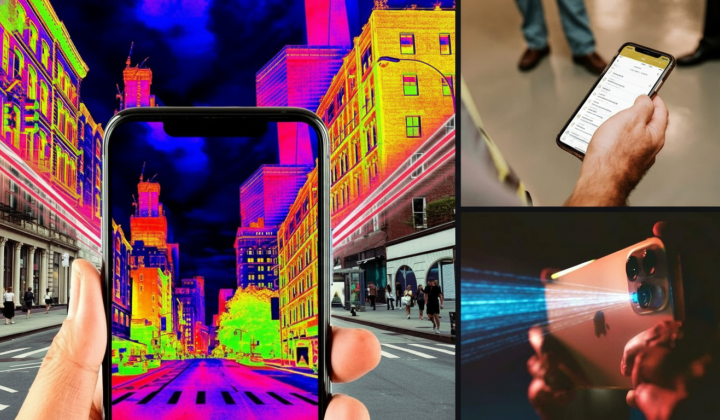
According to ХВИЛЯ: Researchers at the Massachusetts Institute of Technology (MIT) have created a software algorithm that turns the LiDAR sensors found in everyday phones into devices capable of indirect observation. This system can detect hidden objects and track their movement, unlocking new ways to use common smartphones across various industries. The study detailing the algorithm was published in the journal Nature.
The algorithm works with standard LiDAR sensors already built into some premium smartphones. Previously, such capabilities were limited to specialized labs using expensive equipment. In tests, the researchers used a consumer-grade LiDAR sensor costing less than $100. In lab experiments, the system tracked a moving mannequin behind a barrier in real time and generated rough 3D models of concealed objects.
Key advantages of the new algorithm
LiDAR technology typically identifies objects by sending out light pulses and measuring the time it takes for them to bounce back. However, MIT's new algorithm takes a more advanced approach: it captures even weak, scattered photons that reflect off walls, floors, or ceilings. As the user moves the phone, the system collects these signals from multiple angles and assembles a complete digital model of the hidden object.
The next phase for this technology involves training artificial intelligence to recognize completely unknown or changing shapes. MIT researchers aim to make indirect observation widely accessible, stating:
“Our goal is the democratization of non-line-of-sight imaging. Moving to plug-and-play solutions available on off-the-shelf hardware will fundamentally change how intelligent devices perceive the world around them.”
MIT also predicts that future smartphones will gain new augmented reality and security features through regular software updates for LiDAR. Technologies once considered out of reach are thus becoming available to a broad audience.
This development from MIT marks a major step toward integrating cutting-edge technology into daily life. Using LiDAR in ordinary smartphones could significantly reshape approaches to security, navigation, and augmented reality gaming. It opens up fresh opportunities for innovation in fields ranging from architecture to medicine, greatly improving how people interact with digital environments.
As technology continues to evolve, innovative applications are emerging that enhance our interaction with the world around us. For instance, a groundbreaking device translating animal sounds into human language showcases how AI is bridging communication gaps, much like MIT's new LiDAR advancements are transforming smartphones into powerful observation tools. Both developments highlight the potential of everyday technology to reshape our understanding and engagement with our environment.

Read also