What Cannot Be Transported Across the Border of Slovakia - Rules and Restrictions

In Slovakia, as in many European countries, there are restrictions on what can be brought across the border. Adhering to these rules is a primary task. Therefore, it is advisable to review the list of items allowed to be transported across the border of Slovakia in advance.
What Can Be Transported Across the Border of Slovakia
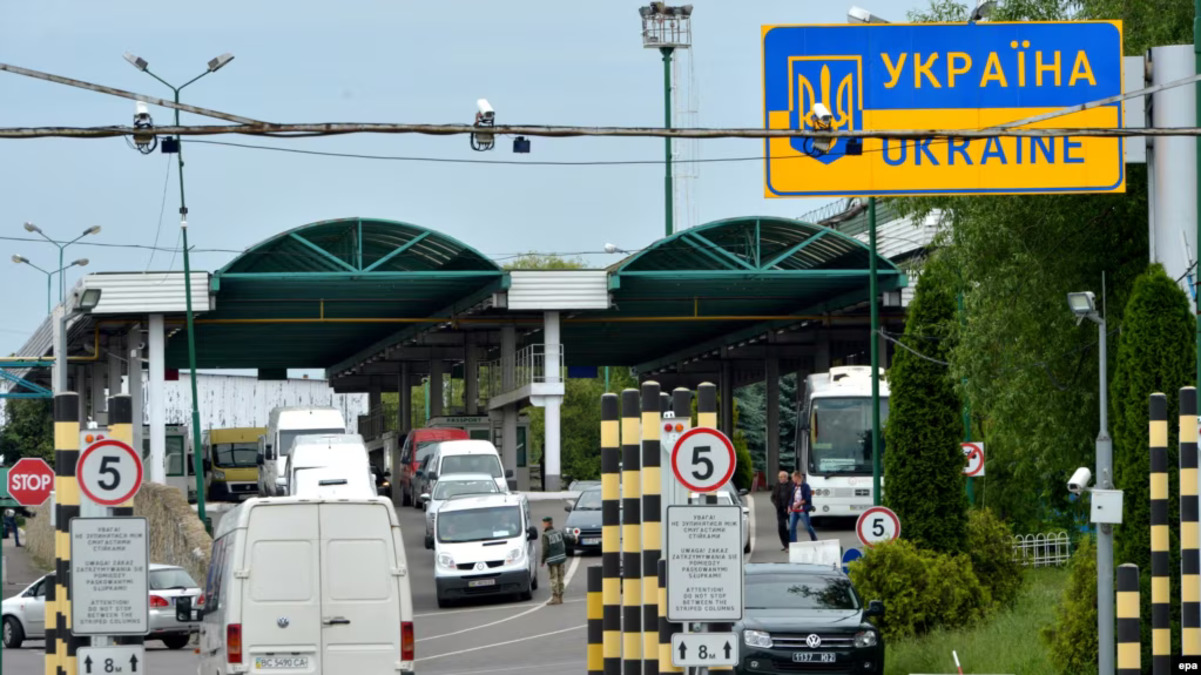
Crossing the border of Slovakia, like any other EU country, requires travelers to have a clear understanding of customs rules, as even a minor violation can lead to confiscation of items, fines, or other unpleasant consequences. For Ukrainians, who often travel to this country by car or train, the issue of allowed and prohibited goods is especially relevant due to the significant number of border crossings.
Slovakia, as a member of the Schengen Area, applies unified EU rules, however, there are certain nuances, especially regarding the import of food products, alcohol, tobacco products, and other categories of goods. Knowing these rules helps avoid delays at customs control, which can last for hours in case of detected violations, especially in railway transport. It is important to remember that strict sanctions are applied to violators, including deportation and a ban on entry to EU countries for a long period.
Goods for personal use are allowed to be imported across the border of Slovakia, but most categories of products have quantitative restrictions that are strictly controlled by customs authorities. Allowed goods for import include long-lasting products, such as biscuits, chocolate, dry breakfasts, cereals, and baby food, with a total weight not exceeding 2 kilograms per person. It is also allowed to bring in up to 5 kilograms of fresh vegetables and fruits, up to 20 kilograms of fish, up to 500 grams of coffee, and up to 100 grams of tea per traveler.
In addition to food products, there are limits on tobacco products: one can import 200 cigarettes, or 100 cigarillos, or 50 cigars, or 250 grams of tobacco - these norms apply for trips by air carrier, however, limits are smaller for ground transport. As for alcoholic beverages, it is allowed to bring in 1 liter of strong alcohol (over 22% alcohol), 4 liters of still wine, and 16 liters of beer per person. Medicines can only be transported for personal use with a total value of up to 430 euros, and some strong medications require a prescription and mandatory declaration.
It is also permissible to import technology and electronics in reasonable quantities for personal use, however, items valued over 500 euros must be declared. The total value of all imported goods should not exceed 300 euros for those crossing the border by land, and 430 euros for air travelers. All these norms are aimed at protecting the domestic market of Slovakia and controlling the movement of goods that can be used for commercial purposes.
Restrictions on the Import of Goods and Products
Most restrictions on imports to Slovakia concern goods that may pose a threat to public health, agriculture, or the national security of the country, and these rules apply to all travelers without exception. The strictest restrictions apply to products of animal origin, in particular, the import of meat, meat products, sausages, lard, canned goods, as well as dairy products, cheese, and butter is prohibited, even in small quantities.
Fresh vegetables, fruits, seeds, seedlings, flowers, and other plants without a special phytosanitary certificate confirming their safety are also prohibited. Chocolate candies, products with a short shelf life, and baby food (except for special dietary mixes) are also not subject to import. In addition to food products, the import of weapons, ammunition, explosives, narcotic and psychotropic substances, as well as pornographic materials without special permits is prohibited. There are restrictions on the import of excise goods, such as alcohol and tobacco, quantities of which are strictly limited - up to 40 cigarettes or 1 liter of strong alcohol for ground transport. Moreover, it is forbidden to transport goods that violate intellectual property rights, including counterfeit products, as well as products made from ivory, fur, and other types of animals that are endangered.
Restrictions also apply to the import of perfumes and toilet waters in quantities exceeding personal needs. All these restrictions are implemented to protect the economic, sanitary, and ecological interests of the country.
What Is Prohibited to Transport Across the Border
The category of items and substances absolutely prohibited for transportation across the border of Slovakia includes things that pose a direct threat to life, health of the population, or national security, and their detection always leads to serious legal consequences. First of all, it concerns all kinds of weapons, ammunition, explosives, and pyrotechnic materials, which cannot be imported without special permits from the competent authorities of Slovakia. Narcotic substances, psychotropic substances, and their precursors, as well as any medical preparations containing codeine or ephedrine, including popular painkillers and cold medications, are absolutely prohibited.
The list of prohibited goods also includes pornographic materials, items that promote violence or incite racial hatred, as well as any printed and audiovisual products banned in the European Union. It is forbidden to transport across the border animals, plants, and products from them that belong to species at risk of extinction, including products made from ivory, skin of rare animals, turtle shells, and other similar items.
It is also forbidden to move goods that violate intellectual property rights, particularly fakes of branded items, disks, clothing, shoes, watches, and perfumes, which may be confiscated without the right to return. Cultural values, antiques, and works of art may only be exported with special permits from Slovak customs authorities. Violating these rules entails strict penalties, including the confiscation of prohibited items, imposing significant fines, and in the most serious cases - deportation and a ban on entry to EU countries for up to five years. The customs service of Slovakia has the right to conduct thorough inspections of luggage, so it is better to familiarize oneself with the list of prohibited goods in advance to avoid unpleasant consequences. Compliance with these rules is mandatory for all travelers.
Customs Rules and Limits
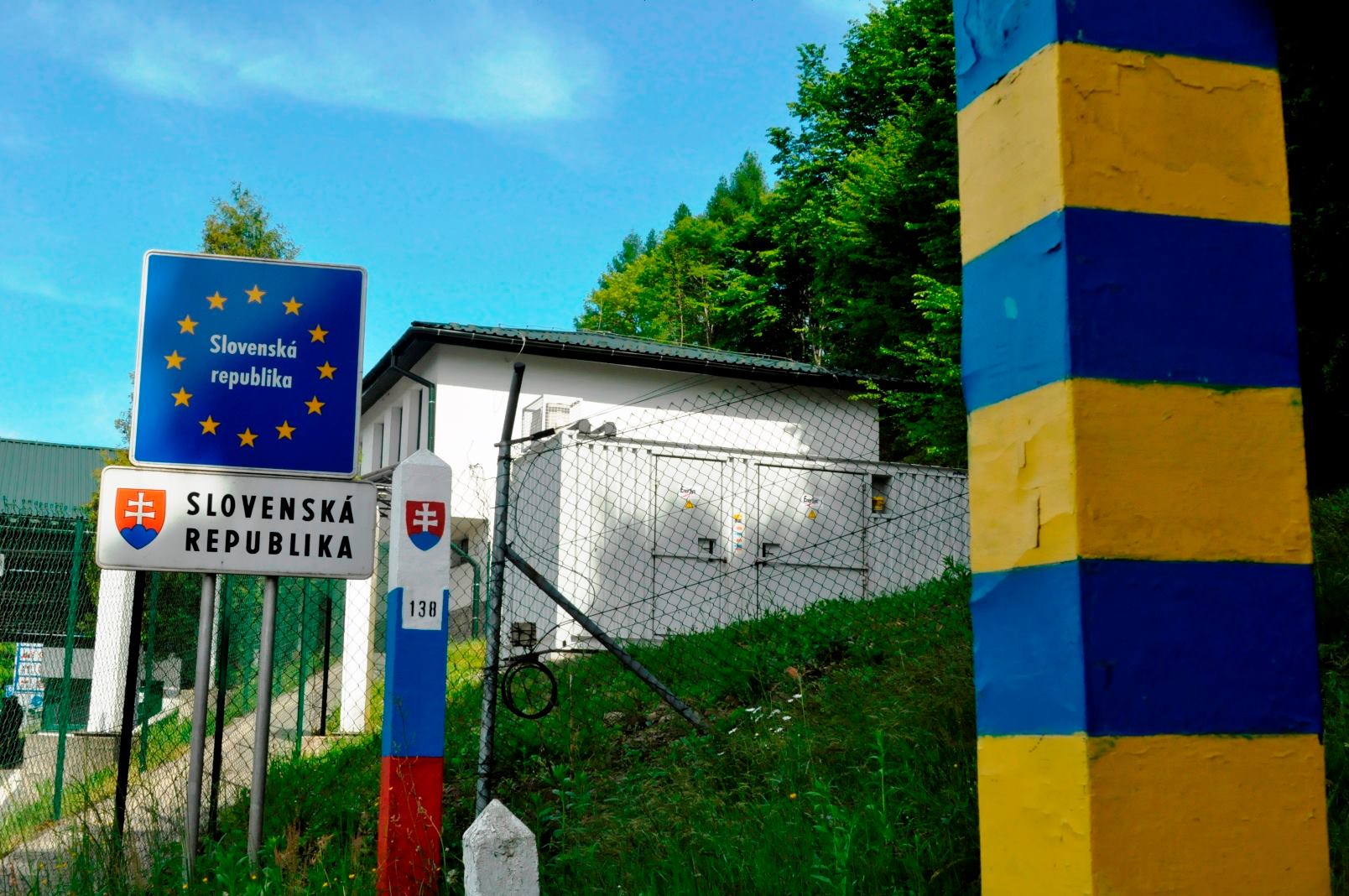
Crossing the border of Slovakia is regulated by clear customs norms that define quantitative and value limits on goods imported for personal use without paying duties and taxes. For travelers moving by land, the total value of imported goods should not exceed 300 euros, while for those arriving by air, this limit increases to 430 euros per person. In addition to value limits, there are quantitative limits on individual categories of goods: tobacco products (up to 40 cigarettes or 20 cigarillos for land transport), alcoholic beverages (up to 1 liter of strong drinks or 4 liters of wine), and fuel (not more than 10 liters in a canister). For individuals who frequently cross the border, stricter limits apply, which reduce the volumes of allowed imports to half of the standard norms, requiring special attention from such travelers.
Persons under the age of 17 are not allowed to import alcoholic beverages and tobacco products, which is an important restriction to consider during family trips. When importing goods worth exceeding the established limits, customs duties, value-added tax, and excise tax must be paid, which requires filling out the relevant declarations. For medicines transported for personal use, the value limit is 430 euros, and some medications may require a prescription and official permission to import. It should also be noted that when importing goods that may be classified as a commercial batch, such as a large number of identical products, the customs service has the right to demand full payment of taxes. Knowing these norms helps avoid delays during control and additional financial costs. Customs control is carried out using modern equipment. Luggage inspection is a standard procedure. Declaration of large amounts of cash is mandatory. Compliance with limits is the key to unobstructed crossing. It is advisable to familiarize oneself with the rules in advance. Timely declaration prevents misunderstandings.
Liability for Violating Customs Norms
Violating customs rules when crossing the border of Slovakia is subject to a range of sanctions, which vary from administrative fines to criminal liability depending on the severity of the violation and the volume of illegally transported goods. The most common form of punishment is the imposition of a fine, the amount of which can reach several thousand euros depending on the value of the contraband item and the nature of the violation, and often exceeds the value of the items themselves. In case of detection of prohibited to import goods, such as weapons, drugs, or counterfeit products, criminal measures may be applied to the violator, including arrest, prolonged judicial prosecution, and even imprisonment for up to five years. Confiscation of violation items is a mandatory procedure, and goods not complying with customs norms are seized without the right to return, regardless of their value and purchase conditions.
An additional negative consequence may be a ban on entry to the Schengen Area countries for up to five years, which substantially limits possibilities for future trips and business journeys. The customs service has the right to conduct in-depth inspections of vehicles and personal luggage without prior notification. Violations of customs rules are recorded in the EU database. Repeated violations are punished more harshly. Fines can be imposed on both individuals and legal entities. Legal assistance may be needed to appeal decisions. It is recommended not to ignore subpoenas from customs authorities. Timely payment of fines is mandatory. For large batches of goods, a criminal case is provided. Evasion of customs duties is an offense.
Transparency of actions reduces risks. Compliance with rules is each person’s obligation. Ignorance of the law does not exempt from responsibility. It is better to take precautions and consult. Timely payment of all fees is mandatory. Avoid any ambiguous situations. Do not take other people’s things. Check bags before departure. This will help avoid problems. The law is strict but fair. Know your rights and duties. Be ready to cooperate with customs. Show respect to employees. This contributes to quick passage. In general, the responsibility for violations is significant. It aims to protect public interests. Violations can have long-term consequences. They affect reputation and freedom. Therefore, it is better to avoid any risks. Legal transportation of goods is the key to peace of mind. Compliance with the rules ensures safety. This is the foundation of a successful trip. Therefore, one should be attentive and responsible. Consultation with a specialist is a good solution. Timely appeals prevent errors. The duty is paid according to current norms.
In general, by adhering to these rules, one can be assured of not having problems when passing through customs control. However, rules are frequently changing and should be monitored.

Read also