Poland will check biometric passports in a new way: how exactly

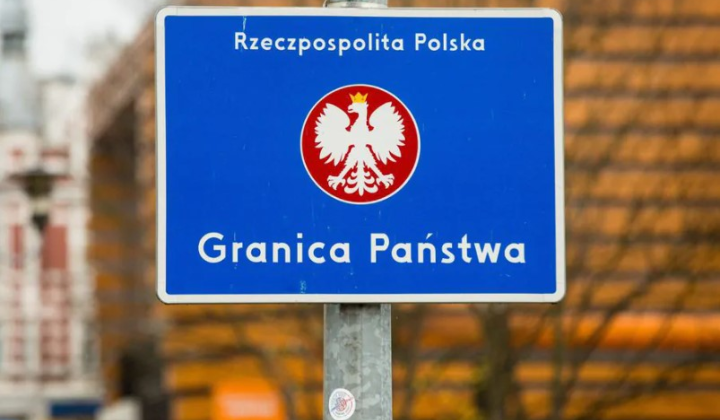
Poland has begun preparations to implement a new system for checking biometric passports and other electronic travel documents. The country will join the international ICAO Public Key Directory network, which allows for quicker and safer verification of the authenticity of documents when crossing borders. This is reported by In Poland.
The verification of biometric passports in Poland will become more modern
The commencement of the procedure for joining the ICAO Public Key Directory was officially confirmed after the signing of a relevant memorandum of understanding.
The document was signed by the president of the Civil Aviation Authority of Poland, Julian Rotter, during a visit to the country by the Secretary General of the International Civil Aviation Organization (ICAO), Juan Carlos Salazar.
The Ministry of Infrastructure explained that the ICAO Public Key Directory is an international system for exchanging cryptographic keys used to verify electronic travel documents.
This primarily concerns:
-
biometric passports;
-
electronic identity cards.
Thanks to this, border services will be able to more quickly verify the authenticity of documents and detect possible counterfeits.
The ICAO PKD system will enhance security at the Polish border
The Civil Aviation Authority of Poland noted that the signing of the memorandum is the first step toward integrating the country into the global system for electronic verification of biometric passports.
The agency emphasized that joining the ICAO Public Key Directory is expected to strengthen the protection of travel documents and improve international cooperation between states in the field of border control.
For holders of biometric passports, this means that documents will be checked according to unified international standards using modern digital mechanisms for verifying authenticity.
The exact date for the full launch of the new system has not yet been specified by the Polish authorities. Currently, the process of joining the international platform has commenced, which anticipates further technical integration and data exchange adjustments.
It should be noted that Polish workers are among the busiest in the European Union. In 2025, the average working week in the country was 38 hours, significantly exceeding the average across the EU.

Read also