Viking Silver Found in Ribe Traced Back to Arab Origins

The Damhus Hoard in Denmark
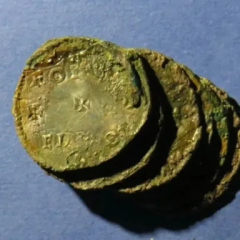
According to НВ — Техно: Discovered near the town of Ribe on the Jutland Peninsula in 2018, the Damhus Hoard consists of 226 Viking-era silver pennies minted between 830 and 850 CE. This find highlights the significant cultural and economic exchanges between the Vikings and the Islamic world, as more than half of the silver in these coins originated from Islamic dirhams. For an English-speaking audience, this discovery offers fresh insight into how deeply interconnected early medieval trade networks were across Europe and the Middle East.
Coins and Their Significance
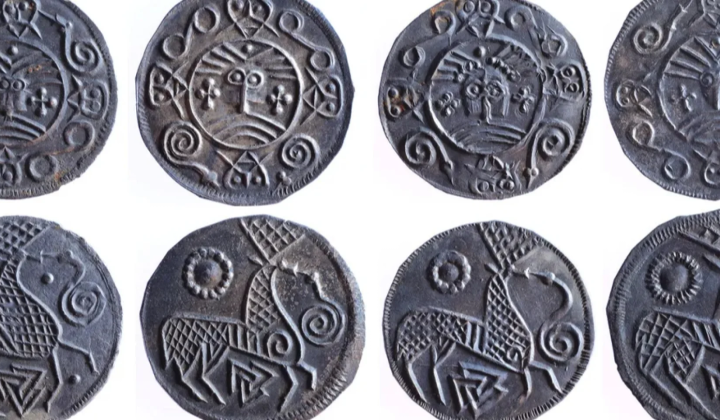
The coins in the hoard were struck in Ribe using at least 30 different dies. One side features a face representing Woden or Odin, while the other depicts a stag. Analysis of 25 coins using X-ray fluorescence confirmed their origin and craftsmanship. Hundreds of thousands of Viking silver pennies were produced at a single mint in Ribe, marking this site as pivotal in the history of Viking monetary systems.
In northern Denmark, archaeologists also uncovered six intact gold arm rings weighing a total of 762.5 grams. These rings served more as political tools than mere ornaments. The earlier Rold Hoard, dated to the late 10th and early 11th centuries, is officially recognized as the third-largest gold find from the Viking Age in Danish history.
“One penny was enough to buy ale, bread, or simple tools.”
Thomas Birch, archaeologist at the National Museum of Denmark
Overall, this find confirms the link between early Viking and Arab silver, demonstrating how silver from the Islamic world became widespread among Viking societies.
This hoard stands as crucial evidence of the trade and cultural connections between different civilizations during the Viking Age, particularly between Northern Europe and the Arab world. It shows that Vikings actively incorporated Islamic coins into their economy, reflecting their openness to international trade and interaction with other cultures. The discovery also advances our understanding of how monetary systems functioned and what socio-economic conditions were like at the time.

Read also