Iranian and Syrian Migrants Face Deportation to Central African Republic by U.S.

Relocating Migrants to the Central African Republic
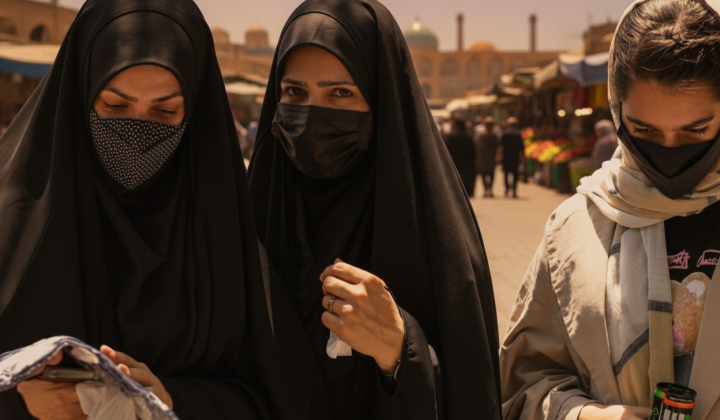
According to Главком: Under the Trump administration, a group of migrants from Iran, Syria, Afghanistan, and Turkey is slated for deportation to the Central African Republic (CAR). This group includes two Iranian women who were detained in November 2024. A broader agreement could lead to hundreds more migrants being sent to the CAR. An immigration judge has granted these women protection from removal-one is a pro-democracy activist, and the other has converted to Christianity. The United States has been leveraging third-country agreements, such as one with the Democratic Republic of the Congo, to facilitate expulsions.
Those deported are expected to be housed in apartments in Bangui, the capital of the CAR. Since gaining independence in 1960, the country has endured repeated cycles of unrest, with the majority of its 5.5 million residents living below the poverty line. To maintain security for President Faustin-Archange Touadéra's government, the CAR relies on UN peacekeepers, Russian mercenaries, and Rwandan troops. This context underscores the precarious environment into which these migrants could be sent.
Funding and International Dynamics
This year, the U.S. allocated $85 million to the International Organization for Migration (IOM) for operations in the Central African Republic. Amid developments in the Middle East, Trump called off planned strikes and bombings against Iran, stating:
“As President of the United States of America, I canceled planned strikes and bombings against Iran this evening.”
While both sides have agreed on key parameters for a potential future deal, many questions remain about how events will unfold.
The deportation of migrants to the Central African Republic raises serious concerns due to the country's volatile political climate and humanitarian challenges. Sending individuals who may require protection highlights ethical issues surrounding human rights. As the U.S. continues to seek migration management solutions, the situation could become more complex amid international relations and domestic policy decisions. It is crucial to monitor the Trump administration's next moves and their impact on the global community.
The situation surrounding the deportation of migrants highlights a broader trend in the U.S., where anti-immigrant rhetoric is being amplified by pro-government media. This increasing propaganda could impact public perception and policy decisions regarding immigration, further complicating the already challenging circumstances faced by those being relocated to unstable regions like the Central African Republic.

Read also