A Failed Grand Bargain: The U.S. Plan Linking Iran's Uranium to Peace in Ukraine

The U.S. Strategy for Iran's Nuclear Program and the War in Ukraine
According to ХВИЛЯ: During an interview with political analyst Yuriy Romanenko, economist Oleksiy Kushch revealed an undeveloped U.S. plan intended to resolve the Iranian nuclear issue and the conflict in Ukraine simultaneously. This ambitious diplomatic initiative proposed that Russia would take custody of uranium enriched in Iran, paving the way for a nuclear control agreement with Tehran. Kushch stated that this plan ultimately failed.
'The grand bargain was as follows. Russia accepts a deposit of uranium enriched in Iran. Accordingly, after this, some agreement with Iran on controlling its nuclear program is signed.' Oleksiy Kushch
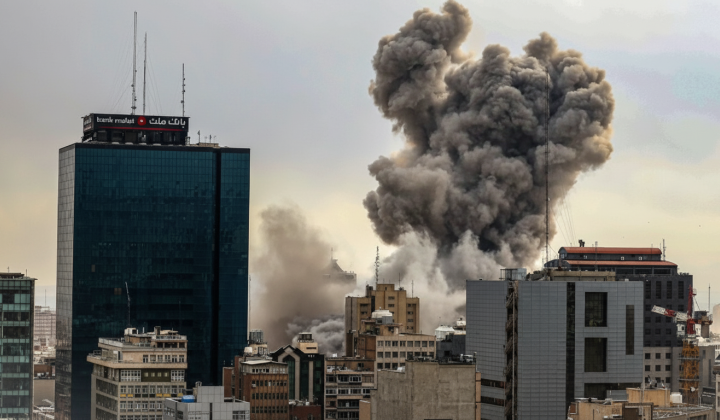
A second, integral component of this deal involved securing a peace agreement to end the war in Ukraine, which would have required 'rather tough compromises.' The failure of this grand bargain, however, meant the situation 'escalated into a major war, precisely a major war on a global scale.' This highlights how interconnected global security challenges have become in the 21st century.
Kushch emphasized the critical juncture at the time: 'either a grand bargain, or a major war.' His comment underscores the high stakes in international diplomacy and the severe consequences that can follow when it falters. In this context, it is notable that Donald Trump alluded to a Nobel Peace Prize, hinting at the potential scale of ambition within the U.S. administration for resolving such global conflicts.
The Unrealized Plan and Its Consequences
The proposed plan contained two key elements:
- Russia would take custody of uranium enriched in Iran, leading to the signing of an agreement to control Iran's nuclear program;
- The conclusion of a peace agreement regarding the war in Ukraine.
This plan remained unrealized and was unable to prevent the escalation of the conflict.
The plan's failure illustrates the immense complexity of international relations, particularly concerning nuclear security and conflicts involving major geopolitical interests. Such diplomatic initiatives can have profound, far-reaching consequences, as seen with the ongoing war in Ukraine and the persistent international tensions over Iran's nuclear ambitions. The escalation in Ukraine and the uncertainty surrounding Iran's program demonstrate that stability in these regions remains precarious without successful diplomatic engagement.

Read also