Potential U.S. Easing of Iran Oil Sanctions: Market Implications

Potential Relaxation of Sanctions on Iranian Oil
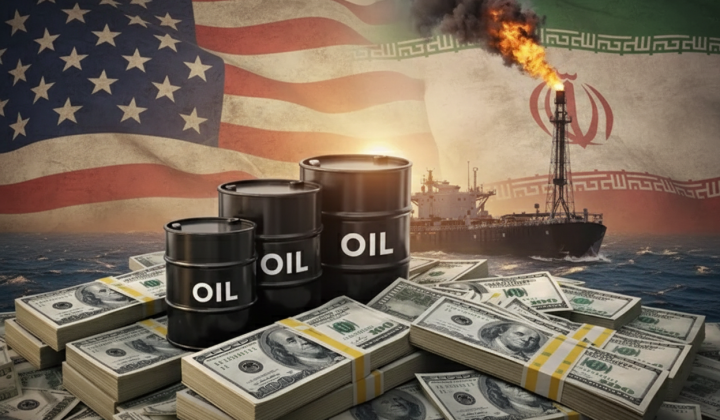
According to Главком: The administration of U.S. President Donald Trump is considering a partial easing of sanctions on Iranian oil to help stabilize global markets. This move could specifically target crude already at sea, potentially releasing around 140 million barrels onto the world market. This initiative forms part of broader U.S. efforts to mitigate disruptions in energy supplies as the country continues to seek ways to ensure adequate oil flow. The consideration comes amid heightened volatility and reflects the complex balancing act between foreign policy objectives and domestic economic pressures.
Additional U.S. Measures
Previously, the administration had already begun releasing 172 million barrels from the U.S. Strategic Petroleum Reserve. However, the U.S. Department of Energy has stated there are currently no plans for additional releases from the reserve. A Department spokesperson noted that
“The United States has already taken several steps to mitigate disruptions in energy markets. While the U.S. continues to consider all options to ensure supply, there are no current plans for an additional release.”
Furthermore, the U.S. Department of the Treasury has already softened sanctions on Venezuelan oil. The United States has also issued a temporary license permitting the sale of Russian oil and petroleum products already at sea on tankers, with this authorization valid until April 11. As expert Scott Bessent observed,
“essentially, we will be using Iranian barrels against the Iranians to contain the price over the next 10 or 14 days, continuing this campaign.”
This U.S. initiative regarding Iranian oil is part of a wider strategy aimed at stabilizing global energy markets amidst rising oil prices. Simultaneously, the easing of sanctions could be interpreted as an attempt by the administration to reduce reliance on other supply sources, notably Venezuelan and Russian crude. These actions underscore an increased focus on global energy security and the perceived necessity of maintaining price stability for both the U.S. economy and the world market at large.
As the U.S. considers easing sanctions on Iranian oil, it's important to note that similar measures have already been implemented regarding Russian oil sales. The temporary license for Russian oil sales until April 11 highlights the administration's ongoing strategy to stabilize energy markets amid rising prices. Understanding these interconnected actions can provide deeper insights into the complexities of current global oil dynamics.

Read also