Iran Threatens Gulf States as U.S. Announces Naval Blockade of Iranian Ports

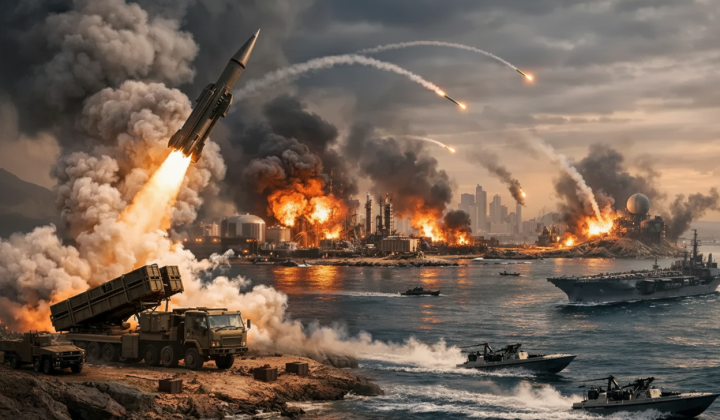
U.S.-Iran Tensions Escalate
According to Главком: The United States military has announced it will begin a naval blockade on Monday, targeting all vessels-regardless of their flag-in waters near Iran, including the Persian Gulf and the Gulf of Oman. The operation is set to commence at 5:00 PM Kyiv time. U.S. Central Command clarified that the blockade will be applied impartially to all ships entering or leaving Iranian ports and coastal zones. This strategic waterway is a critical global chokepoint for oil shipments.
Iran has declared its readiness to retaliate against the announced U.S. blockade, threatening strikes on targets within the nations of the Persian Gulf. An Iranian military representative stated that any restrictions on shipping in international waters are illegal and constitute piracy. Previously, Iran had effectively restricted traffic through the Strait of Hormuz, permitting passage only under its control and upon payment of a fee.
U.S. President Donald Trump emphasized the intent to block Iranian vessels, as well as any ships paying Iran for passage, stating: 'No one who pays an illegal fee will have safe passage in the open sea.'
It is worth noting that approximately 20% of the world's oil supply transits through the Strait of Hormuz. Unsuccessful negotiations between the U.S. and Iran were held in Pakistan.
Potential Courses of Action
Possible U.S. action scenarios under discussion regarding Iran include:
- A combination of precision airstrikes with a naval blockade of the Strait of Hormuz;
- A full-scale aerial campaign against Iran.
The situation remains tense, and the subsequent actions of both sides could significantly impact regional security. This escalation in the U.S.-Iran conflict could have serious consequences for global energy markets. A blockade may lead to increased oil prices and heightened tensions among Persian Gulf nations. It is crucial to monitor the next steps of both parties, as they could substantially affect regional stability and the world economy.
The unfolding situation in the Gulf raises critical concerns about its implications for global oil prices. As tensions escalate, understanding the potential economic impact of the U.S. naval blockade on Iran becomes essential for stakeholders in the energy market. The interplay between military actions and oil supply dynamics could lead to significant fluctuations in prices, affecting economies worldwide.

Read also