U.S. Warns Cuba of 'Devastating Confrontation' Over Weaponry

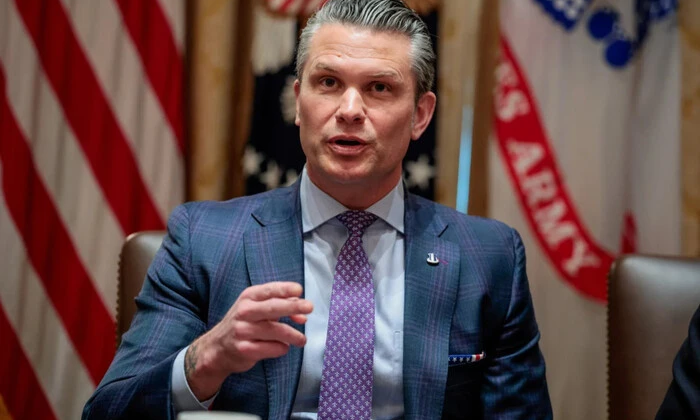
U.S. Defense Secretary Visits Cuba
According to Главком: During a trip to the Guantanamo Bay naval base, U.S. Defense Secretary Pete Hegseth cautioned the Cuban government that acquiring or developing weapons capable of striking the United States or the American base would trigger a severe conflict. This visit occurs amid heightened pressure from the Trump administration on Cuba, a dynamic rooted in the island's 1959 revolution led by Fidel Castro. Hegseth's arrival followed talks between U.S. General Francis Donovan and a Cuban general at the base perimeter, as well as a May visit to Havana by CIA Director John Ratcliffe.
National Security Threats and Tensions
On May 20, 2023, the United States formally accused former Cuban President Raul Castro of involvement in four killings linked to the 1996 downing of a civilian aircraft carrying emigrants. President Donald Trump has effectively imposed a fuel blockade on Cuba, threatening sanctions against oil-supplying nations. U.S. Secretary of State Marco Rubio has raised alarms about national security risks stemming from Cuba's instability near Florida.
Hegseth stressed that any attempt to build or obtain weaponry that could hit U.S. territory would provoke a confrontation devastating for Havana. He asserted that no country can match U.S. capabilities and that the Pentagon will equip President Trump with all necessary options in case of unforeseen events. In response, Cuban Foreign Minister Bruno Rodriguez warned that any military intervention would lead to significant bloodshed.
Hegseth also announced that major news regarding Venezuela is imminent, following a January raid by U.S. forces that resulted in the detention of socialist leader Nicolas Maduro. After this operation, a new partner emerged willing to collaborate with the United States in combating drug-related terrorism.
This visit and Hegseth's remarks underscore the rising tension between the U.S. and Cuba amid historical conflicts and modern geopolitical risks.
Relations between the two nations remain strained, particularly given concerns over Cuba's military capabilities and its proximity to U.S. territory. Meanwhile, U.S. cooperation with Venezuela in the fight against drug terrorism may signal new strategic alliances in the region, potentially reshaping future geopolitical dynamics in Latin America.
In light of the ongoing tensions, the recent visit by CIA Director to Havana underscores the urgency of diplomatic dialogue between the U.S. and Cuba. These discussions may play a crucial role in de-escalating potential conflicts and addressing security concerns raised by U.S. officials.

Read also