U.S. Orders Emergency Security Panels at All Embassies Worldwide

Urgent Security Review Ordered for U.S. Diplomatic Posts
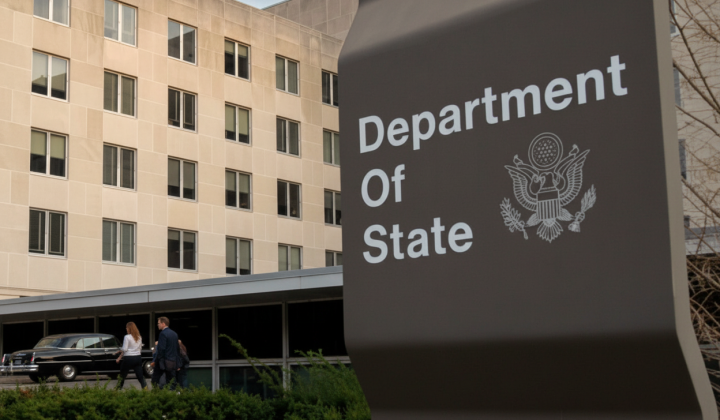
According to Главком: In an unprecedented global directive, the U.S. State Department has mandated that every American embassy worldwide immediately convene an emergency commission and conduct a rapid security assessment. The order, signed by Secretary of State Marco Rubio, was communicated to diplomatic missions by Deputy Secretary for Management Jason Evans. This marks the first time such a sweeping global mandate has been issued, requiring all U.S. diplomatic facilities to perform simultaneous security reviews. This move reflects a significant escalation in the State Department's standard security protocols.
The decision was prompted by the escalating and volatile situation in the Middle East, along with the potential global repercussions of the ongoing conflict. As the armed conflict between Washington and Jerusalem enters its third week, substantial strategic disagreements have become apparent, causing deep concern within American diplomatic circles. The widening conflict has heightened fears of spillover violence targeting U.S. interests abroad.
Global Embassies to Form Emergency Panels
All U.S. embassies are now required to establish Emergency Action Committees (EACs) to analyze potential threats and reassess emergency response plans. Previously, such directives were typically reserved for diplomatic posts within the Middle East region. The global scope of the current order underscores the perceived severity of the situation and the necessity for a comprehensive, worldwide security evaluation. This proactive measure is a standard procedure when intelligence suggests a heightened risk to diplomatic personnel and facilities.
This step highlights the growing alarm within the United States regarding the safety of its diplomatic missions amid the escalating Middle Eastern conflict. The global security assessment is likely to impact the operations of American embassies, potentially affecting their engagement with host governments and local communities. The emphasis on these measures underscores the critical need for preparedness against potential threats that can arise from international instability, ensuring the protection of personnel and the continuity of diplomatic functions.

Read also