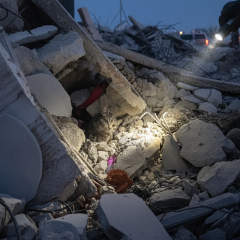
Strikes Exchanged Between the United States and Iran Near the Strait of Hormuz

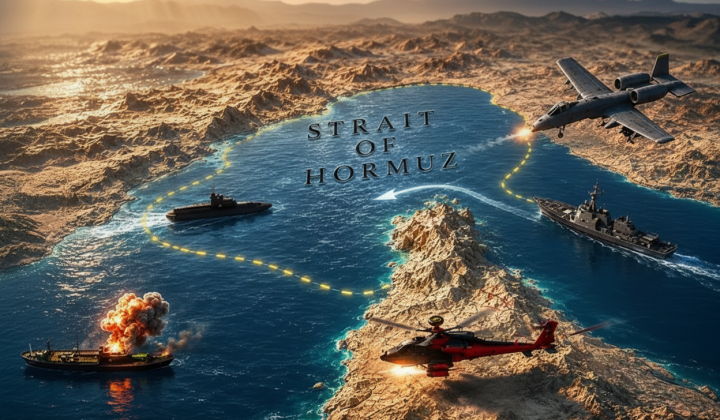
US and Iran Trade Strikes
According to Главком: In the early hours of June 3, the United States and Iran launched attacks against each other near the Strait of Hormuz, amid ongoing tensions surrounding Qeshm Island. The exchange of fire between both nations highlights an escalation of military activity in the region. Iran's Mehr news agency reported explosions near Qeshm Island, where the Islamic Revolutionary Guard Corps (IRGC) stated that three missiles had struck enemy bases.
Meanwhile, US forces disabled the M/T Lexie, a tanker sailing under the flag of Botswana that was heading toward Iran's Kharg Island, despite the blockade of the Strait of Hormuz. The vessel's crew ignored warnings from American forces for 24 hours. In response, a US aircraft fired a Hellfire missile into the tanker's engine room. Since the blockade began on April 13, American forces have disabled six commercial vessels and redirected 122 others as part of measures targeting Iranian ports.
In retaliation, the IRGC launched a missile and drone strike against the headquarters of the US Navy's Fifth Fleet and an American airbase in the region. Iranian officials described this attack as a response to US strikes on an IRGC communications tower on Qeshm Island. Iranian military sources also confirmed that they targeted the Panaya vessel in retaliation for a previous US attack on an Iranian tanker. The IRGC warned against further interference in the Strait of Hormuz, stating:
“Any new foolishness will be met with a devastating, decisive response that goes beyond established rules and boundaries. We will not hesitate to turn all headquarters and facilities of aggressors in the region to ashes.”
Regional Tensions and International Repercussions
For their part, US forces intercepted several Iranian ballistic missiles and drones, launching retaliatory strikes on Qeshm Island. Two Iranian missiles fired toward Kuwait fell short of their target or broke apart in flight, while three missiles aimed at Bahrain were intercepted by US and Bahraini air defense systems. Additionally, American forces shot down three attack drones targeting civilian vessels in regional waters. No US personnel were harmed, and Central Command forces remain vigilant and ready to defend against unprovoked Iranian aggression during the current ceasefire.
Kuwait's army confirmed that its air defense system intercepted hostile missile and drone attacks. Bahrain's Interior Ministry urged residents to move to safe locations after warning sirens were activated. This incident follows recent US military strikes on boats and missile sites in southern Iran, as well as attacks on another military facility.
The day after the attacks, on June 1, Iranian media reported that Tehran had suspended negotiations with the United States in protest of Israeli actions in Lebanon and Gaza. The situation in the Strait of Hormuz remains tense, and further developments could have serious implications for regional security.
The escalation of military hostilities between the US and Iran in the Strait of Hormuz underscores the complex dynamics of a region where the interests of multiple nations intersect. This could lead to increased tensions, affecting not only the safety of maritime routes but also overall stability in the Middle East. From an international policy perspective, it is crucial to monitor these events, as such conflicts can have far-reaching consequences for the global economy and security. Moreover, the suspension of talks between Iran and the US may complicate efforts to find diplomatic solutions to the conflict.
The recent clashes between the US and Iran near the Strait of Hormuz are part of a broader pattern of escalating maritime disputes in the region. For a deeper understanding of the ongoing tensions and their implications, explore how these confrontations over maritime claims are shaping international relations in our article on the rising tensions in the Strait of Hormuz.

Read also