Switzerland Hosts U.S.-Iran Talks After Lebanon Ceasefire


Diplomatic Meeting in Switzerland
According to Главком: Steve Witkoff, the special envoy for the U.S. president, and Iran’s Foreign Minister Abbas Araghchi have traveled to Switzerland for negotiations. The recent ceasefire between Israel and the Hezbollah group in Lebanon has given fresh momentum to the dialogue. Also present in Switzerland is Jared Kushner, son-in-law of U.S. President Donald Trump, while Iran’s foreign minister is expected to arrive on June 20.
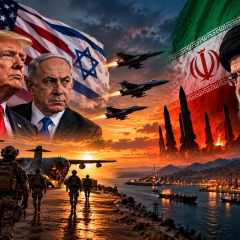
The truce between Israel and Hezbollah marks a key development in the context of the Swiss talks. Washington and Tehran have signed a 14-point memorandum that calls for a halt to hostilities and initiates a 60-day period to resolve differences. U.S. Vice President JD Vance canceled his trip to Switzerland due to the escalating situation in Lebanon.
Commenting on the situation, Abbas Araghchi stated: 'The United States will be held responsible for fulfilling its commitments, particularly regarding the cessation of hostilities in Lebanon.'
The interim agreement includes a suspension of military operations by the U.S., Iran, and their allies, but Israel is not a party to this deal and assumes no obligations under it.
Broader Regional Implications
Amid these developments, U.S. intelligence does not rule out that further escalation in the Middle East could threaten the negotiation process. Notably, Araghchi also held a phone call with Pakistan’s foreign minister, indicating broad involvement of various countries in discussing the current regional situation.
The talks taking place in Switzerland represent a critical step in efforts to stabilize the Middle East, where rising tensions could spark new conflicts. The participation of not only the U.S. and Iran but also other nations like Pakistan underscores the global interest in this issue. A successful conclusion to the talks could reduce the risk of escalating violence in the region, but uncertainty remains over how agreements will be implemented, given that Israel is not part of the deal.
As the negotiations unfold in Switzerland, the recent developments have sparked renewed interest in the broader implications of U.S.-Iran relations. In particular, the finalization of a historic nuclear agreement draft could significantly impact the ongoing discussions and the stability of the region. Understanding these dynamics is crucial for comprehending the potential outcomes of the current talks.

Read also