USA Extradited Maduro for Trial: Is the Roosevelt Doctrine Reviving?


Secret Extradition of the Venezuelan President
According to ХВИЛЯ: In 2026, the Trump administration conducted a secret extradition of Venezuelan President Nicolás Maduro for trial in the USA. This marked the first major foreign policy move of the new administration and sparked discussions about a possible revival of the Roosevelt Doctrine, which was enacted in 1904. The doctrine allowed the USA to remove undesirable governments in the Western Hemisphere, raising questions about whether this event signifies a return to such practices.
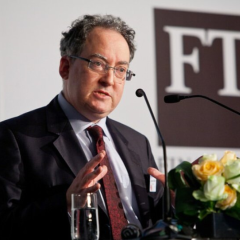
The Chavistas ruled Venezuela for 25 years, and the overthrow of Maduro's government, according to historian Niall Ferguson, is a long-overdue step. The operation to deport Maduro was carried out with minimal ground forces, indicating a cautious approach by the USA on this issue. Ferguson also noted that it may be related to the development of an agreement with members of the existing regime in Venezuela.
Geopolitical Context
Furthermore, Ferguson pointed out that this situation makes sense to consider in the context of the history of the Western Hemisphere, rather than relating it to military interventions by the USA in other regions, such as Afghanistan or Iraq. This sparked discussion among analysts and experts as the number of refugees from Venezuela is comparable to the number displaced during the civil war in Syria. The last US intervention in Panama occurred during President Ronald Reagan, and now a new phase of US foreign policy in Latin America is underway.
- Cuba, Nicaragua, and Venezuela are examples of countries where the USA did not intervene, leading to negative consequences.
- The operation to extradite Maduro could also have serious implications for China, as emphasized by Ferguson.
Niall Ferguson: 'This event could signal important signs for other countries in Latin America.'
This event may become an important signal for other countries in Latin America as it demonstrates the USA's readiness to intervene more actively in the region's internal affairs. At the same time, it emphasizes that the developments in Venezuela will be monitored not only from the perspective of internal politics but also in the context of global geopolitical interests, particularly China's influence in the region. Analyzing this situation may help understand how the USA plans to respond to other potential crises in Latin America in the future.

Read also