U.S. Launches Ceasefire Monitoring in Lebanon After Violations by Israel and Hezbollah

Ceasefire Monitoring in Lebanon
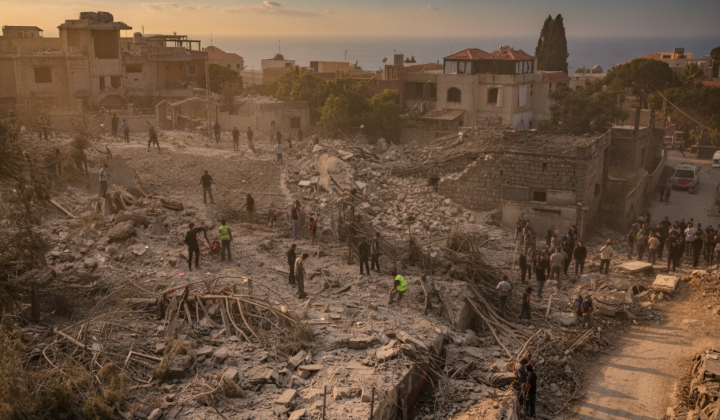
According to Главком: The United States has established a monitoring mechanism for the fragile ceasefire in Lebanon, following violations committed by both Israel and the Hezbollah militant group. This initiative comes amid ongoing regional instability, with the U.S. seeking to enforce compliance from all sides. On Friday, Secretary of State Marco Rubio held phone conversations with Israeli Prime Minister Benjamin Netanyahu and Lebanese President Joseph Aoun, focusing on strengthening the ceasefire framework and planning future negotiations. According to a U.S. official, these calls prompted the launch of a monitoring system through the U.S. Central Command, providing policymakers with real-time, accurate data on hostilities in Lebanon.
Israel-Lebanon Talks
Israeli and Lebanese officials are expected to spend three days in Washington this week to advance agreements. U.S.-mediated negotiations between Israel and Lebanon are scheduled to begin on Tuesday morning. Despite a U.S.-Iran ceasefire agreement that calls for a halt to hostilities in Lebanon, Israeli Prime Minister Benjamin Netanyahu is likely to continue military operations against Hezbollah.
Israel and the Lebanese group Hezbollah have already reached an understanding to reinstate the ceasefire after a recent flare-up in fighting. According to Axios correspondent Barak Ravid, both sides agreed to return to the ceasefire on June 19. The deal, brokered by the United States and Qatar, remains unpopular in Israel due to:
- its failure to address Iran's missile program;
- a demand for the withdrawal of U.S. forces;
- restrictions placed on the Israeli Defense Forces (IDF).
U.S. intelligence assesses that Netanyahu faces domestic pressure from attacks on northern Israel, and that Israel is likely to continue operations even if it disrupts American-Iranian talks on the nuclear program.
Establishing this monitoring mechanism is a critical step for maintaining stability in a region where tensions between Israel and Hezbollah remain dangerously high. - Source: U.S. official
U.S. involvement in the negotiations underscores its role as a mediator in regional conflicts. Despite the agreements reached, the situation remains fragile due to internal political factors in both Israel and Lebanon, which could impact future talks and the implementation of accords.
As the U.S. intensifies its efforts to stabilize the situation in Lebanon, the ongoing tensions highlight the complexities of regional security dynamics. In light of these developments, it is important to consider Netanyahu's plans for a renewed offensive against Hezbollah, which could further complicate the ceasefire efforts and the broader geopolitical landscape.

Read also