AI Uncovers 73 New Volcanoes Hidden on the Ocean Floor

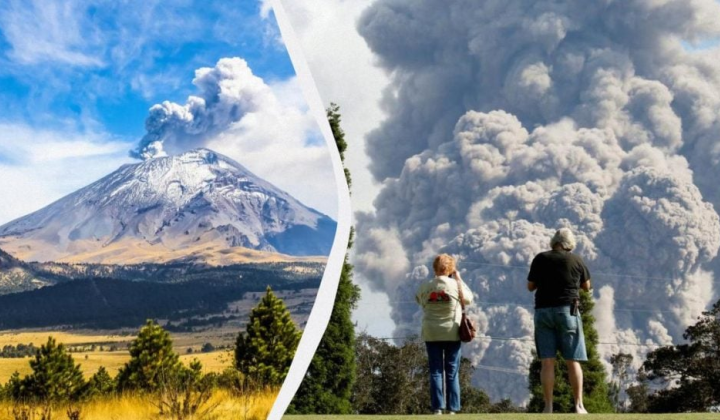
World's Most Dangerous Volcanoes: From Kilauea to Vesuvius
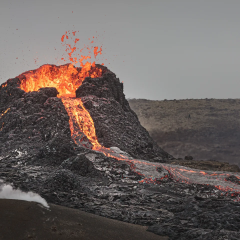
According to УНІАН — Туризм: According to the U.S. Geological Survey, there are approximately 1,350 potentially active volcanoes worldwide. Several of these are considered especially hazardous. Notable examples include:
- Kilauea in Hawaii
- Mount Etna in Sicily
- Stromboli and Vesuvius in Italy
- Mount Merapi and Krakatoa in Indonesia
- Sakurajima in Japan
- Volcán de Fuego in Guatemala
Located in Hawaii, Kilauea ranks among the most active volcanoes on the planet. Mount Etna, situated on the island of Sicily, holds the title of Europe's tallest active volcano. Stromboli, also in Italy, is famous for its frequent eruptions. Vesuvius, near Naples, last erupted in 1944, and its threat level remains high due to the dense population surrounding it.
Indonesia is home to two well-known volcanoes: Mount Merapi and Krakatoa. Krakatoa's catastrophic 1883 eruption caused massive casualties and destruction. Mount Merapi has also produced numerous eruptions that have repeatedly endangered local communities. In Japan, Sakurajima is another active volcano under constant monitoring. Volcán de Fuego in Guatemala claimed lives in 2018, underscoring its deadly potential.
The Hidden Threat of Submarine Volcanoes
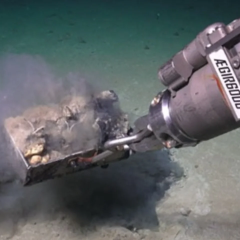
Beyond land-based volcanoes, artificial intelligence has identified 73 previously unknown underwater volcanoes on the ocean floor, opening new avenues for studying volcanic activity. This discovery suggests that the overall danger posed by volcanoes may be far greater than previously understood.
Given these findings, ongoing monitoring of volcanic activity and the development of risk mitigation strategies remain critical priorities.
Persistent volcanic activity around the world, especially in densely populated regions, presents serious challenges to public safety. Eruptions can trigger catastrophic outcomes, making clear response plans and early warning systems essential. Research into newly discovered submarine volcanoes could also deepen our understanding of volcanic processes and their effects on marine ecosystems. Recognizing these threats is vital for reducing risks and protecting lives in potentially dangerous areas.
As researchers delve deeper into volcanic activity, the recent eruption of Mount Etna serves as a timely reminder of the ongoing threats posed by these natural phenomena. To understand the potential risks better, it is essential to explore how active volcanoes like Etna are monitored and what measures are in place to protect nearby communities.

Read also