Metropolitan Arseniy's House Arrest Extended by Court Over Alleged Military Information Leaks

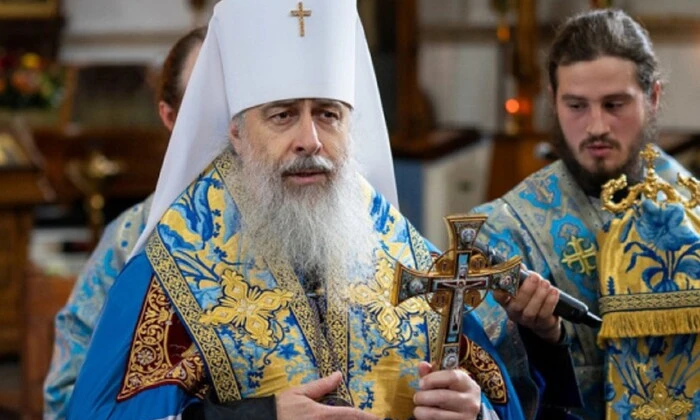
Metropolitan Arseniy's House Arrest Extended
According to Главком: A Dnipro court has extended the 24-hour house arrest of Metropolitan Arseniy, the abbot of the Svyatohirsk Lavra monastery, for an additional two months. He is suspected of disseminating information about the movements and positions of the Ukrainian Armed Forces, as well as Russian propaganda narratives, during May and June of 2022. This case highlights the Ukrainian government's stringent measures against activities perceived as aiding the enemy during wartime.
During a hearing on April 20, which Arseniy attended via video link, prosecutors successfully argued for the 60-day extension. His previous pre-trial restriction was set to expire on April 25. The court granted the prosecution's request, meaning the metropolitan will remain under full house arrest.
The Charges and Defense Arguments
Investigators allege that in May-June 2022, the suspect spread Russian propaganda in his public addresses. The specific accusations include:
- Blaming the Ukrainian military for the deaths of clergy and the destruction of churches;
- Denying the aggression of the Russian Federation.
The trial continues under Article 114-2, Part 2 of the Ukrainian Criminal Code. While Arseniy was initially taken into custody, an appellate court later allowed for his release on a bail of 1.5 million hryvnias, which he paid.
His defense team requested the court to cancel or ease the restrictive measure, suggesting alternatives such as a nightly curfew, personal recognizance, or a written pledge. They argued that over the past two months, Arseniy had committed no procedural violations and had fully complied with all obligations imposed on him.
The case against Metropolitan Arseniy underscores the tense and complex relationship between certain religious institutions and the state in Ukraine during the ongoing conflict. The court's decision to extend stringent house arrest reflects the gravity of the national security charges involved. Observing this proceeding may offer further insight into legal and church-state dynamics in contemporary Ukraine.
The ongoing scrutiny of religious institutions in Ukraine is underscored by recent developments, as authorities have identified several religious organizations with ties to the banned Russian Orthodox Church. This situation raises questions about the role of these groups in the current geopolitical climate and their potential influence on public sentiment. For further insights into this critical issue, read more about the links between these organizations and Russian influence.

Read also