A Meat-Like Texture from Peas: New Method Reported by Swiss Researchers

A Fresh Approach to Legume-Based Alternatives
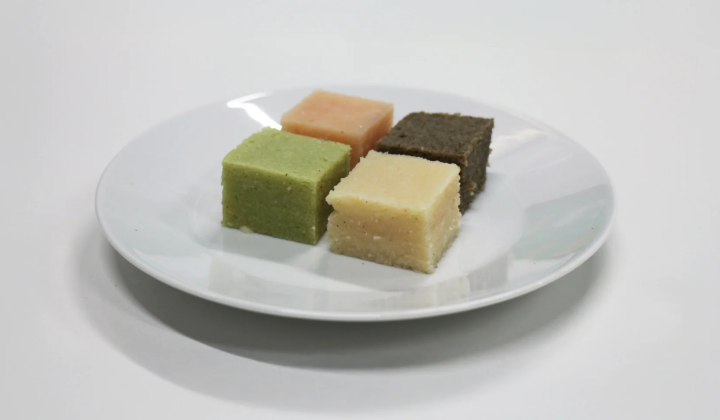
According to НВ — Техно: At ETH Zurich, researchers have unveiled a process that can turn whole peas, beans, and lentils into a fibrous, meat- or fish-like product. Dubbed "freeze structuring," the method relies on heating legumes into a gel, then subjecting that gel to directional freezing. Once thawed, the resulting fiber network holds its shape, giving the final product a texture reminiscent of animal protein. The findings appear in the journal npj Science of Food. This approach stands out in a field where many alternatives require costly industrial equipment.
How the Process Works
The procedure starts by soaking legumes and grinding them into a fine crumb. That puree is then heated for 30 minutes at 90 °C. The gel produced at this stage is transferred to a mold insulated everywhere except one side and then frozen in a controlled direction. As ice crystals develop, they arrange into parallel layers, creating the desired fibrous texture.
In trials covering legumes that represent 96% of global production, every variety tested performed successfully. Red lentils, black lentils, and mung beans yielded the firmest fibers, while soybeans and black beans produced a softer result. Because the technique requires no specialized equipment, it can be replicated in an ordinary kitchen, making the approach accessible to home cooks. Professional chefs have been tasked with developing specific recipes and marinades.
The study, accompanied by a photo from ETH Zurich's Andrea Bach, is available under DOI 10.1038/s41538-026-00991-5, allowing further exploration of the topic.
This development could meaningfully influence the food industry, particularly the plant-based meat sector. With more consumers looking to cut back on meat, an easy-to-use method for creating fibrous legume products may help push sustainable, healthy eating into mainstream kitchens.
This innovative technique for creating meat-like textures from legumes is part of a broader trend in food technology, where sustainability and creativity intersect. Similar advancements can be seen in the development of unique edible products, such as cookies made from recycled materials. These efforts not only cater to consumer demand for plant-based alternatives but also address environmental concerns, showcasing the potential of food innovation.

Read also