Ukrainian Officer: Bureaucracy, Not Desertion, Drives Many 'AWOL' Cases

Ukrainian Officer Comments on Unauthorized Absence from Unit
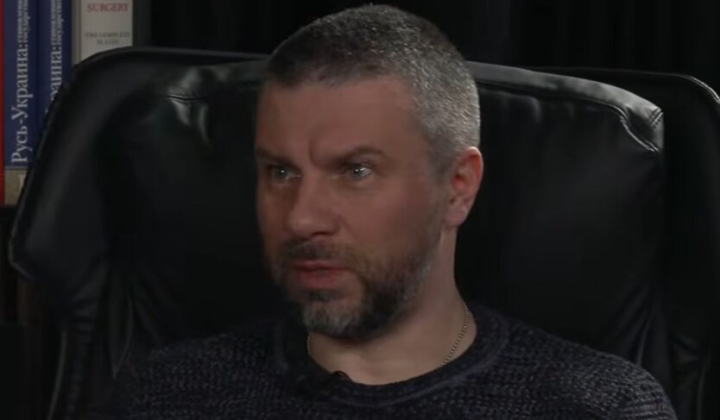
According to ХВИЛЯ: In a discussion with political analyst Yuriy Romanenko, Ukrainian Armed Forces officer Andriy Dmytrenko explained that the high rate of unauthorized absence from military units (AWOL) is often due to bureaucratic obstacles blocking official transfers, not desertion. He stated that a significant percentage of AWOL cases involve soldiers who have not abandoned the front but resort to this method because they cannot navigate the difficult process of transferring between units.
Dmytrenko noted that the AWOL statute has been used as a tool to circumvent the Ministry of Defense's ban on legal transfers. He emphasized that while legal transfers between units are currently prohibited, the AWOL procedure remains permissible. This contradiction forces many service members to use this unauthorized path to change their place of duty. The officer pointed to a fundamental problem in how the process is organized, leading to inefficiency within the state apparatus.
Contrast with Russian Mobilization Tactics
Comparing the situation to Russia, Dmytrenko observed that there is no phenomenon of 'bus-ification'-or forced street mobilization-in the Russian Federation. He noted that Russian mobilization relies on financial incentives and criminal pressure, particularly targeting prisoners and those detained on drug charges. Dmytrenko stressed that conditions in Russia compel people to go to the front under the threat of long imprisonment or by signing a contract.
'Our state machinery could also work more humanely, but ruthlessly,' – Andriy Dmytrenko.
The officer explained that Ukraine's mobilization system is soft but chaotic, while Russia's is harsh and rigid. He believes that the occurrence of 'bus-ification' in Ukraine is a consequence of poor organization, not an inability to implement other approaches.
This situation underscores the urgent need to reform bureaucratic processes within Ukraine's military system, as they directly impact troop readiness and morale. For a nation at war, the efficiency of military administration and its responsiveness to soldiers' needs are critical for maintaining frontline stability. The comparison with the Russian model highlights that a more humane approach to mobilization is possible for Ukraine, though it is currently hindered by existing bureaucratic barriers. It is vital for state institutions to address these issues and ensure a more flexible and humane approach to managing military personnel.

Read also