Nuclear Reactor Cooling Tech Boosts AI Performance by 35%

Ferveret Unveils Game-Changing Cooling Innovation
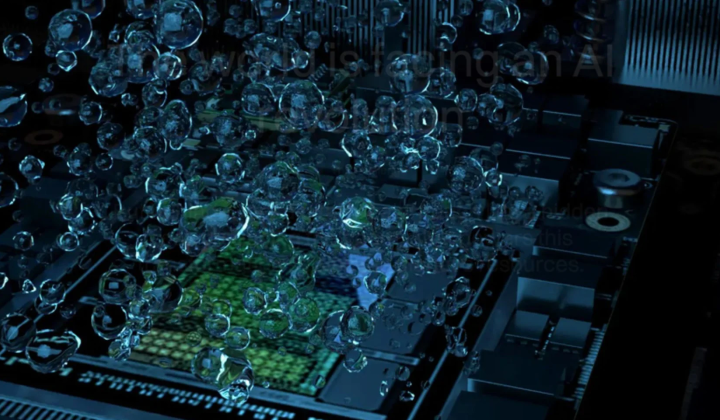
According to НВ — Техно: Ferveret has introduced a new data center cooling system based on subcooled boiling, a technique originally developed for nuclear reactors. This system, called Adaptive Phase Cooling (APC), delivers up to 15% higher computing efficiency compared to traditional immersion cooling methods. It also enables AI models to generate 35% more tokens without any increase in electricity consumption, offering a major leap in performance per watt.
Key Benefits and Broader Implications
The Ferveret cooling solution involves submerging computer servers in a special liquid with a low boiling point. As the system operates, vapor bubbles rapidly condense back into liquid within the cooling medium, simplifying integration into existing infrastructure, according to co-founder Reza Azizian.
By adapting a technology used in nuclear reactors for data centers, Ferveret opens the door to building data centers in regions previously considered challenging due to resource constraints. Co-founder Matteo Bucci, also an MIT associate professor in nuclear science and engineering, highlighted Africa, the Middle East, and parts of the United States as areas that could benefit.
Estimates suggest that data centers could account for up to 17% of total U.S. electricity consumption by the end of the decade. The system relies on high-performance chips, including those from NVIDIA, which are critical for optimizing AI workloads. Ferveret's new technology thus creates fresh opportunities for data center expansion, making operations more efficient and less energy-intensive.
Advances in cooling technologies like Adaptive Phase Cooling could significantly shape the future of data centers, especially amid rising demand for computing power and the urgent need to curb energy use. By borrowing innovations from other industries, such solutions not only boost efficiency but also enable data center deployment in resource-limited regions-an important step toward global sustainability. This technology may prove key to overcoming some of the environmental and economic challenges ahead.

Read also