Safety Concerns Lead Trump to Halt Rollout of New AI Model

How the Tech Industry Is Reacting to Restrictions on Anthropic
According to НВ — Техно: The Trump administration’s decision to impose restrictions on Anthropic has sparked growing unease across the tech sector, particularly regarding AI safety. Executives from leading AI firms like OpenAI and Anthropic had previously warned about the dangers of unchecked technological advancement. A recent survey shows that only 15% of Americans trust AI companies to make decisions about AI development, reflecting widespread public skepticism. Meanwhile, 87% of respondents believe foreign nations could use AI to launch attacks on the United States within the next two decades.
Regulatory Hurdles and Their Consequences
Initially, the Trump administration avoided strict oversight, but it later classified Anthropic as a supply chain risk. This prompted the government to block the release of the new Claude Fable 5 model, causing alarm among industry leaders. Dean Ball, recently appointed as OpenAI’s head of strategic development, stated:
“I’m not a fan of the abruptness, lack of transparency, and harshness of certain administration actions,” - Dean Ball.
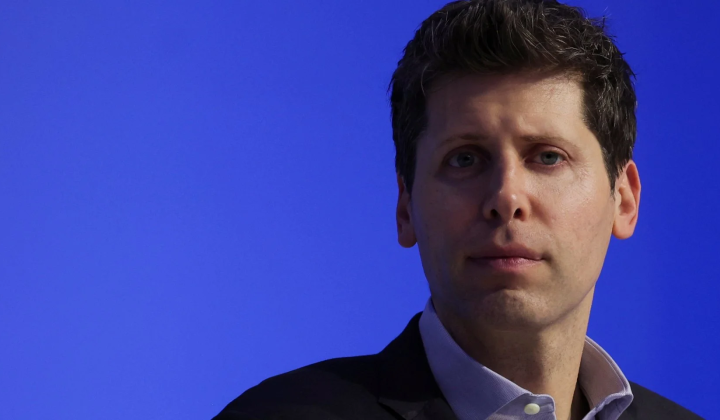
OpenAI CEO Sam Altman also emphasized that the technology could cause significant harm if developed irresponsibly, and that his company is committed to working with the government to mitigate such risks. Saif Khan, a former technology advisor to the Biden administration, noted that current government actions are already hurting company revenues, saying, “these moves have nearly completely stalled the release of new models.”
- Vice President JD Vance weighed in as well, cautioning that excessive regulation could slow the progress of one of the most promising technologies of our time.
- OpenAI is gradually rolling out access to GPT 5.6 for a limited user base, signaling its intent to keep innovating amid these new challenges.
Experts worry that the United States could fall behind China in the AI race. The current regulatory framework, shaped by executive action rather than congressional legislation, risks creating instability in the industry. The range of opinions on this issue highlights the urgent need for a balanced approach to governing technologies that have far-reaching societal impacts.
As the global technology competition intensifies, AI regulation has become a critical topic. Countries around the world are grappling with how to strike the right balance between innovation and safety, a factor that will determine their competitiveness on the world stage. For the United States, maintaining its edge is crucial, especially as nations like China ramp up their efforts, potentially reshaping the future of technology and its applications across multiple sectors.
As the Trump administration intensifies its focus on AI regulation, the recent executive order on AI oversight highlights the growing tension between innovation and safety. This latest move underscores the administration's commitment to navigating the complexities of artificial intelligence, raising questions about the balance between fostering technological advancement and ensuring public safety.

Read also