Disappointed with Iran Talks, Trump Prepares for Renewed Military Action

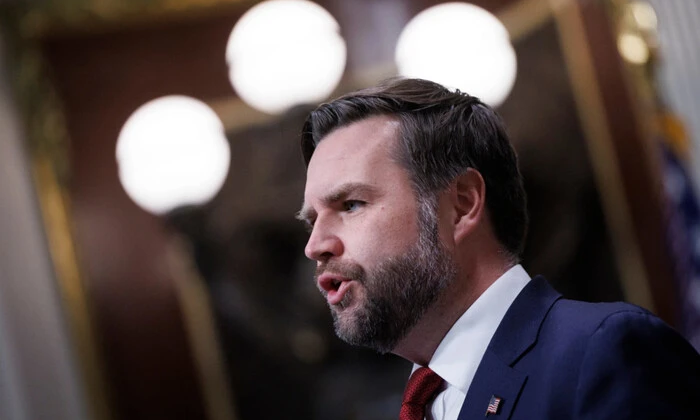
U.S.-Iran Nuclear Negotiations Show Signs of Movement
According to Главком: U.S. Vice President J.D. Vance has reported some progress in nuclear negotiations with Iran. However, it remains unclear whether the advancements are enough to prevent Tehran from acquiring nuclear weapons. Vance is in constant communication with U.S. envoys Jared Kushner and Steve Witkoff, and has also consulted with representatives from Arab nations.
President Donald Trump has expressed deep dissatisfaction with the pace of talks aimed at ending hostilities with Iran. He is increasingly leaning toward resuming active combat operations, driven by the prolonged blockade of the Strait of Hormuz and growing internal divisions within Iran’s leadership. Trump has also labeled Iran’s counteroffer as unacceptable, calling the Iranian delegation’s contributions to the negotiation process wholly inappropriate. He shared his stance on Truth Social, making his position clear.
What Defines Success in the Talks
The primary benchmark for success remains adherence to the red line set by the president. The core issue at stake is ensuring that Iran never gains the capability to develop nuclear weapons.
“I have a plan-you know, it’s a very simple plan, I don’t understand why you don’t say it directly: Iran cannot have nuclear weapons.”
Donald Trump
These remarks underscore the U.S. administration’s firm stance on Iran’s nuclear program and highlight the critical need for tangible outcomes from the negotiations.
The prolonged U.S.-Iran talks over the nuclear program remain a focal point of international politics, as their outcome could significantly reshape regional and global security. Given Iran’s precarious internal situation and the Trump administration’s growing frustration, the next phase could either escalate into conflict or open new diplomatic avenues. Observers should closely monitor both sides’ next moves to determine whether a sustainable resolution is within reach.
As tensions escalate, the future of U.S.-Iran relations hangs in the balance. Recent reports indicate that while there have been some discussions, Iran has denied engaging in talks with the U.S., leaving the nuclear diplomacy at a standstill. This impasse raises critical questions about the potential for military action and the broader implications for regional stability.

Read also