Gulf States Prepare Military Action Against Iran as Turkey Seeks to Avert War

Heightened Tensions in the Gulf
According to Главком: Amid escalating regional tensions, Turkey is attempting to prevent Gulf Cooperation Council countries from entering a war with Iran. Turkish Foreign Minister Hakan Fidan recently visited Saudi Arabia, the United Arab Emirates, and Qatar to discuss the situation and explore potential paths to de-escalation. Both Saudi Arabia and the UAE have expressed strong dissatisfaction with Iranian strikes targeting critical infrastructure, including ports, energy facilities, and airports.
In response to Iran's aggressive actions, Saudi Arabia and the UAE have declared their readiness to use military force to repel Iranian attacks. As part of these measures, Saudi Arabia expelled five staff members from the Iranian embassy, including a military attaché, ordering them to leave the country within 24 hours. These moves underscore the rapidly deteriorating relations between the regional powers. This crisis unfolds in a region critical to global energy supplies, where any conflict could have immediate international repercussions.
The Broader Situation and International Response
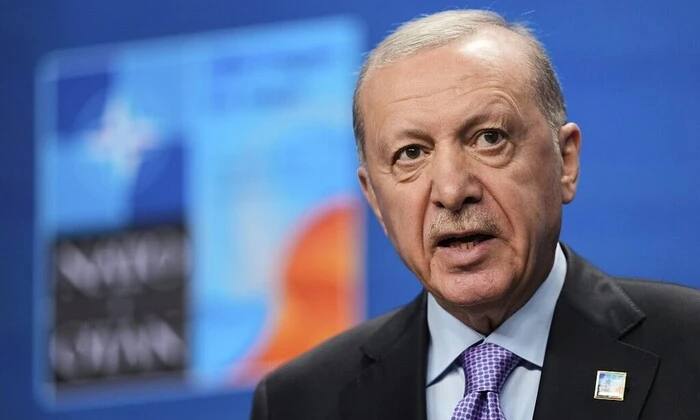
Further complicating the regional picture, Iran's leadership has rejected a US proposal outlining conditions for a potential ceasefire. Turkish President Recep Tayyip Erdogan has warned of the dangers, stating,
"Retaliatory actions, especially against Gulf countries, carry such a risk,"
emphasizing the critical need to prevent the conflict from spiraling. Consequently, Turkey continues its diplomatic efforts to find a peaceful resolution.
The positions of other regional nations, including Bahrain, Kuwait, and Jordan, which are closely monitoring developments, also form a key component of the conflict. All these factors indicate that the Persian Gulf remains a volatile flashpoint demanding close attention from the international community.
The situation highlights the complex geopolitical dynamics of the Middle East, where numerous vested interests make a peaceful settlement particularly challenging. Turkey's actions, as a key regional player, demonstrate its ambition to mediate and reduce tensions; however, the success of these efforts hinges on the willingness of all parties to compromise. Given Iran's rejection of US proposals and the military posturing by Saudi Arabia and the UAE, the international focus must be on preventing a further escalation in this strategically vital region.
As the situation in the Gulf intensifies, understanding the broader implications in neighboring regions becomes crucial. For instance, Turkey's strategic maneuvers in the South Caucasus highlight its efforts to avoid conflict with Iran, which could further destabilize the area. To delve deeper into Turkey's diplomatic strategies and the potential risks involved, read more about Turkey's approach to the South Caucasus.

Read also