Hidden Fees and Tourist Scams Are Widespread Across Italy

Italy's Tourist Trap Problem
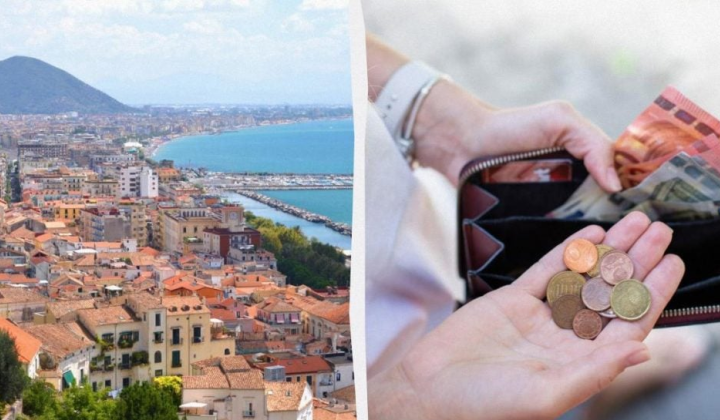
According to УНІАН — Туризм: Travelers are reporting a surge in deceptive practices and undisclosed surcharges while vacationing in Italy, significantly inflating the cost of their trips. These include unexpected restaurant bills, confusion at souvenir shops, and other tactics that lead to unforeseen expenses. The highest number of such incidents occur in major cities like Rome, Milan, Naples, and Venice. Italy remains one of Europe’s top tourist destinations, but these complaints highlight growing frustrations among visitors.
According to traveler complaints, issues frequently arise at restaurants. Some vacationers have reported being cheated, such as having extra drinks added to their bill. For example, one social media user recounted an unfortunate experience in Rome where she bought three scoops of ice cream at €4 each, but was charged €44 instead of €24.
“The atmosphere in the café made it seem like all extras were included in the €4 per scoop price,” the social media user said.
Tourists have also complained about being charged extra for additional ice cream toppings like cream, fruit, nuts, and sprinkles, which can dramatically increase the final cost.
Common Scams and Hidden Charges
Equally common problems occur at souvenir shops. One traveler shared that a store owner charged them for a necklace and bracelet but forgot to hand over the necklace, pointing to dishonest practices by some vendors looking to deceive tourists. Visitors also express frustration over fees for splitting a dish between two people. Restaurant owners justify these charges by citing costs for plates, napkins, and the labor involved in portioning food.
Additionally, Italy has an undisclosed fee for bed linens and towels, adding another unpleasant surprise to travelers’ budgets. It is also worth noting that Italian restaurants often include a 'coperto'-a cover charge per person, typically €1–€2-which can be an extra financial burden for those unaware of this custom.
Tourists in Italy also encounter aggressive scams like the sale of friendship bracelets and roses, which are forcefully handed out on the street before demanding payment. These situations highlight the need for caution and vigilance when planning a trip to Italy to avoid extra costs.
The prevalence of scams and hidden fees in Italy underscores the importance of tourists being informed about local practices and potential risks during their travels. With growing competition in the tourism industry, it is crucial that visitors receive transparent and fair services, and that local authorities take steps to protect consumer rights. Given the numerous complaints, reconsidering policies on business regulation could improve the travel experience in the country.
As travelers face increasing challenges in Italy, the situation is further complicated by events like Dua Lipa's wedding, which has sparked protests over street closures and the impact of overtourism in areas like Sicily. These developments highlight the growing tension between tourist activities and local communities, making it essential for visitors to stay informed about potential disruptions during their trips.

Read also