Yalta's Passenger Terminal Set for Demolition to Make Way for Rotenberg's Casino Complex

Demolition Preparations Begin for Yalta's Passenger Terminal
According to Главком: Preparatory work has commenced in the temporarily occupied city of Yalta to demolish its passenger sea terminal. This demolition is the first step in constructing a new gambling zone. The project's investor is Arkady Rotenberg, a Russian oligarch and billionaire closely linked to several major construction projects in Crimea. In July 2024, Russia's State Duma and Federation Council passed a law permitting the relocation of a gambling zone to the Yalta seaport, providing the legal basis for the new construction.
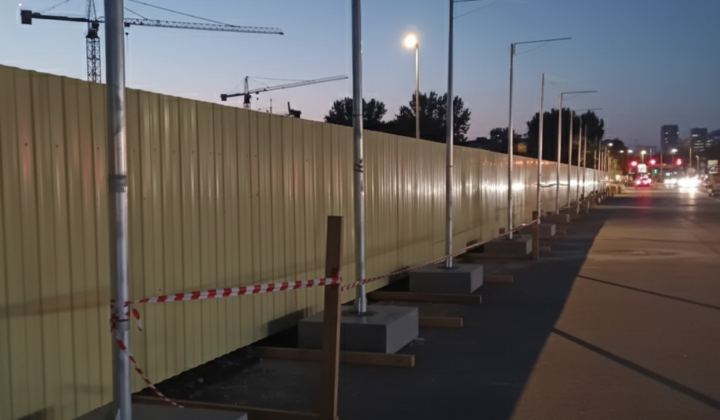
The appearance of construction fencing around the Yalta seaport signals the project's launch, a move that has been repeatedly opposed by local residents. As noted by the Center for National Resistance,
"Construction fencing recently appeared around the Yalta seaport. This indicates the start of a long-planned, large-scale project that local residents have repeatedly protested. Behind this is Vladimir Putin's long-time friend, billionaire Arkady Rotenberg."
Infrastructure Transformation in Crimea
The concept of building a gambling zone in Crimea first emerged in 2019. Plans for the port site include casinos, luxury hotels, spa complexes, restaurants, and other entertainment infrastructure. Arkady Rotenberg is also known as the general contractor for the Crimean Bridge and the organizer behind the construction of the Tavrida highway in Crimea. It is important to note that Rotenberg is under international sanctions due to the annexation of Crimea and Russia's invasion of Ukraine.
This development is part of broader infrastructure changes in Crimea, where numerous construction projects linked to Rotenberg have already been realized. He is behind the most prominent constructions in occupied Crimea, including:
- The Crimean Bridge
- The Tavrida Highway
- The seizure of assets, including sanatoriums and land plots on Crimea's southern coast
However, these transformations have come at a significant cultural cost, with the historical and architectural monument, the Khan's Palace in Bakhchysarai, having been virtually destroyed.
The implementation of the Yalta gambling zone project underscores the continuation of Russia's policy of altering Crimea's infrastructure during its occupation. A critical aspect is that such projects frequently spark protests from locals concerned about environmental damage and threats to the region's cultural heritage. Furthermore, the involvement of individuals under international sanctions raises serious questions about the legitimacy and ethics of these investments. Consequently, the situation in Crimea remains tense, with active protests against development and landscape changes that directly impact the lives of local residents. This project highlights the ongoing friction between large-scale development backed by Russian capital and the concerns of the local population in the occupied territory.

Read also