Former Italian Ambassador Arrested in Rome Over Visa Scheme for Russians

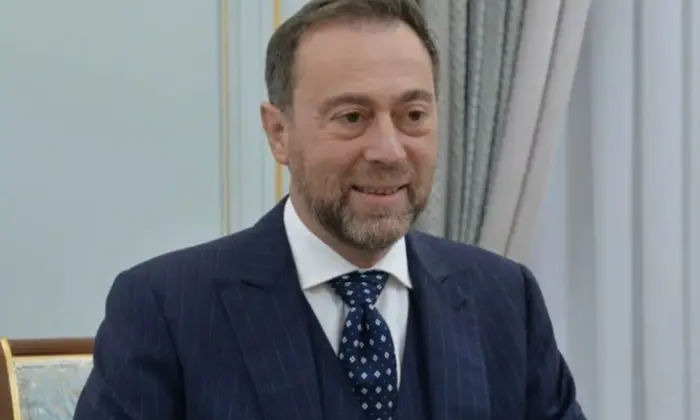
Former Italian Ambassador to Uzbekistan Detained
According to Главком: Piergabriele Papadia de Bottini, Italy's ex-ambassador to Uzbekistan, and an accomplice have been arrested in Rome on suspicion of facilitating illegal immigration and corruption. Authorities allege that Papadia orchestrated a scheme to issue long-term tourist visas-valid for one to three years-to Russian citizens who did not meet the eligibility requirements. According to reports, Schengen visas were granted to individuals who had no right to them, with additional fees ranging from €4,000 to €16,000 per person, while the official visa fee was between €45 and €60.
Investigation Details
The fraudulent operation was run through three Moscow-based travel agencies:
- Happy Travel
- Visa4you
- Park Lane
all registered at the same address. At least 95 Russian citizens used these agencies to enter Italy despite not meeting visa requirements. The scheme was uncovered during a routine inspection by Italy’s Ministry of Foreign Affairs at the embassy in July 2025. In 81 cases, the names of Russians who received visas did not appear in the visitor registry.
Between January and July 2025, the travel agencies transferred €23,600 to a Bulgarian bank account belonging to Tatyana Tarakanova, a Russian national with Italian citizenship living in Bulgaria. Tarakanova previously worked with Papadia at the Italian consulate in Moscow and was hired by him into the visa department in Tashkent. Shortly before his arrest, Papadia was inquiring about obtaining a visa to Russia.
Prosecutors and financial police are currently investigating approximately 400 cases linked to this scheme. Papadia’s assets are valued at €3 million, which he claims were inherited. The case has sparked widespread concern, as it highlights issues of illegal immigration and corruption within diplomatic circles.
This case underscores serious problems with corruption and illegal immigration that can exist within diplomatic institutions.
It also exposes potential abuses in the visa control system, which could affect international relations and trust in consular services. The ongoing investigation may lead to further arrests and changes in visa policies across Europe.

Read also