Internet Censorship Sparks Rising Anger Across Russia

Russian Public Grows Increasingly Frustrated with Internet Restrictions
According to Главком: A wave of discontent is sweeping Russia as authorities tighten their grip on the internet, blocking popular services and pushing users toward the state-controlled Max platform. Messages sent through the Max app are fully accessible to the Federal Security Service (FSB). The shutdown of major platforms like Facebook and Instagram in 2022, followed by YouTube in 2024, marked a significant escalation in censorship. The planned blocking of the Telegram messenger in 2025 has become a breaking point for many users.
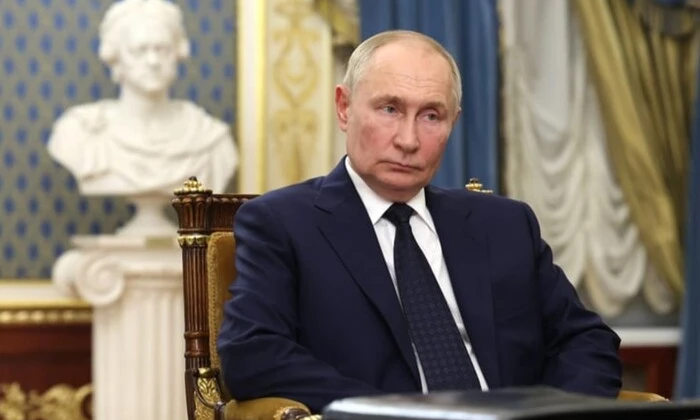
Widespread censorship and frequent network outages have fueled public outrage. The Kremlin has long followed a familiar pattern: cutting off access to foreign platforms and offering state-run alternatives, such as the VK social network and VK Video service, both managed by the son of Russia's domestic policy curator. In this environment, 73-year-old President Vladimir Putin-who does not own a smartphone and relies solely on television and paper reports-has become a target of criticism, even in pro-war channels, where he is increasingly referred to as 'grandpa.'
Social and Economic Fallout
Russia has experienced widespread network blackouts, leaving only government-approved sites from a 'white list' accessible. Despite these restrictions, citizens are engaging in passive resistance by mass adoption of VPNs, used by approximately 40% of local internet users-roughly 60 million people. The Kremlin is investing nearly $300 million to block 92% of VPN services by 2030, underscoring its determination to control the information space.
This policy has shattered a long-standing social contract, and while mass protests remain unlikely due to harsh repression and arrests of organizers, tensions continue to mount. A youth demonstration in Moscow in late March stands as one of the few examples of active dissent. Russia's State Duma has also passed a law allowing the government to increase spending and debt without amending the budget law, signaling tighter control over both the economy and society. The dismantling of what remains of a free internet is eroding a fundamental pillar of the current regime's stability.
The situation in Russia highlights the severe risks to freedom of speech and information rights in a state where control over media and the internet is becoming increasingly stringent.
While subdued, the growing dissatisfaction among the population could signal potentially unstable socio-political conditions ahead. As authorities strive to limit access to independent information, public reaction may become a key factor in shaping the country's future trajectory.
The increasing restrictions on internet access in Russia are part of a broader strategy aimed at enhancing state control over digital communications. This has led to a surge in digital surveillance, with authorities intensifying efforts to monitor citizens' online activities. To understand the implications of these developments, you can read more about the ongoing expansion of government oversight in our detailed report on digital surveillance measures.

Read also