Austro-Hungarian Tunnel Discovered by Utility Workers in Stryi

Underground Passage Unearthed in Stryi
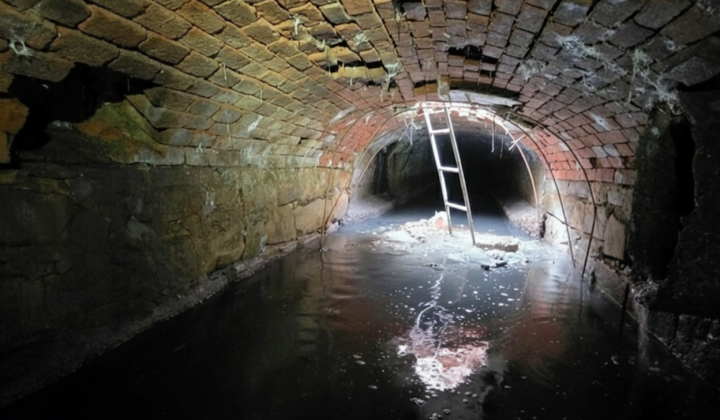
According to Главком: While repairing a collapsed road in the city of Stryi, Lviv Oblast, municipal workers stumbled upon the entrance to a tunnel dating back to the Austro-Hungarian Empire. The structure measures two by two meters and stretches approximately 300 meters in length. Inside, they found spring water-a remnant of the Mlynivka River, which once flowed along the street above. The tunnel became exposed when a section of the roadway gave way.
Built from red brick, the tunnel lies roughly one meter beneath the road surface. Historical maps from 1920 show its location, yet the most recent underground utility map of Stryi dates only to 1960. As one eyewitness noted, 'They built it and forgot about it: all the manholes leading to the Mlynivka River are now buried under layers of asphalt.'
A Unique Discovery
Researchers who inspected the tunnel highlighted its distinctiveness. According to urban explorers,
“Two things immediately struck us in the tunnel. First, the beauty of the calm water surface reflecting the brick vault above. Second, the sheer amount of sand and silt the water has deposited over the years.”
Standing at 170 cm tall, the explorers had to stoop and walk in a crouched position during their survey.
For context, this find adds to a series of historical discoveries in the region. Earlier, on the southeastern outskirts of Pereiaslav in Kyiv Oblast, a fragment of a mammoth thigh bone from the Paleolithic period-roughly 25,000 years old-was uncovered, underscoring the area's deep historical and archaeological significance.
The discovery of the Stryi tunnel is significant not only for its architectural value but also for the opportunity it presents to study underground water resources that could impact the local environment. Such finds help trace the evolution of cities and their infrastructure, potentially paving the way for further archaeological research and the development of new tourist routes.

Read also