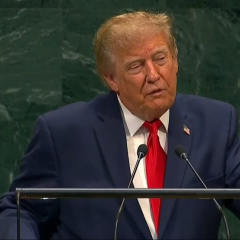
Hungary Plans National Petition to Oppose Funding for Ukraine

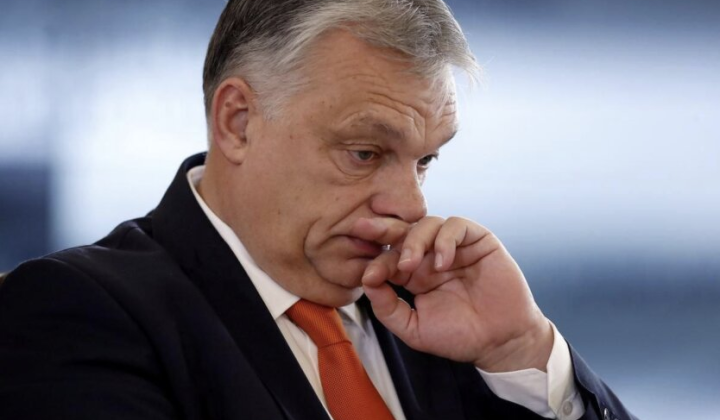
Hungary's National Petition Against Funding for Ukraine
According to ХВИЛЯ: In a move that amplifies his government's critical stance, Hungarian Prime Minister Viktor Orbán is preparing a national petition against financing aid to Ukraine. This initiative, timed ahead of parliamentary elections scheduled for April 2026, seeks to legitimize the Hungarian government's refusal to fund Ukrainian support. The petition directly challenges the European Union's plan to provide Ukraine with a €90 billion loan package. This action is part of a broader pattern of Hungarian dissent within the EU on matters of foreign policy and financial solidarity.
Shifting Public Opinion and the Petition's Role
The national petition will function as a large-scale public survey, offering every Hungarian citizen a chance to voice their position. Viktor Orbán stated:
“Everyone will receive this national petition and will have the opportunity to say 'no' and to declare together with the government: 'we will not pay'.” - Viktor Orbán
Public support in Hungary for funding Ukraine through the EU has seen a significant reversal. While 57% of Hungarians supported such financing in 2023, recent data from late 2025 shows only 36% in favor, with 63% opposed. This shift indicates a change in public sentiment and a potential rise in support for anti-Ukrainian aid policies.
Péter Magyar, a representative for Orbán, emphasized that:
“Our party supports peace, opposes mobilization, and is against any escalation of the conflict.” - Péter Magyar
Consequently, the national petition could become a key tool for mobilizing Hungarian public opinion to change the country's policy on funding Ukraine. Given the shift in Hungarian attitudes, Orbán's initiative may significantly impact future government policy, Hungary's relations with the European Union, and the broader political landscape of the region. The outcome could influence debates on EU unanimity and collective support for Ukraine.

Read also