EU Commissioner: Hungary Cannot Block Ukraine's Path to Membership

Ukraine's EU Accession Process
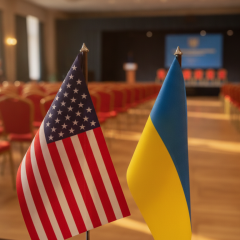
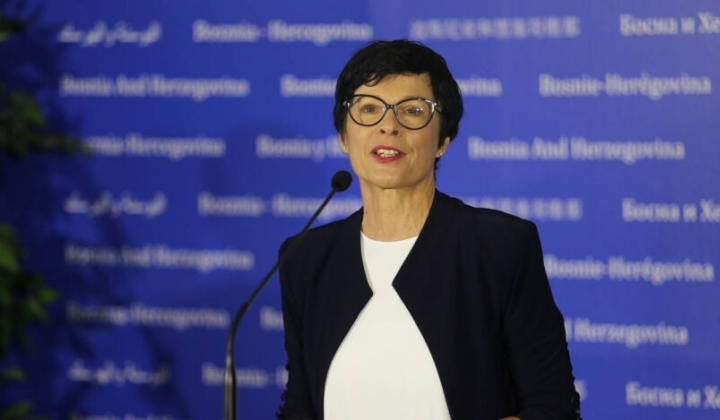
According to ХВИЛЯ: In an interview with European Pravda, EU Commissioner for Enlargement, Márta Kocsis, discussed Ukraine's path to joining the European Union, stating that Hungary cannot single-handedly freeze the process. She explained that the European Commission is finalizing new approaches to enlargement, which will require the support of all 27 EU member states. Kocsis noted that member countries have already defined the accession criteria for Ukraine, and the 'frontloading' format launched late last year has laid the groundwork for further action. Following its launch, explanatory meetings have been held on all criteria for the clusters currently under negotiation.
Assessment and Challenges
An assessment of Ukraine's progress in meeting the criteria is expected in the November enlargement report, the preparation of which began last week. A reform plan, the '10-point Kocsis-Kaczynski Plan,' was agreed upon in Lviv in December, under which Ukraine committed to implementing these reforms within a year. However, events in July 2025 dealt a blow to the pace of reforms in Ukraine. The EU's enlargement process is a complex, multi-year negotiation that requires candidate countries to align their laws and standards with those of the Union.
Kocsis emphasized that 'you were doing excellently before. Now it has slowed down. It's not a tragedy if something is delayed by a few months. But if the delays become longer and longer, we will have to react.'
Márta Kocsis also pointed out that around a thousand people are working on Ukraine's EU accession, and polls show that 72% of Ukrainians support EU membership. She noted that Ukraine received candidate status at a time when part of its territory was already occupied. Among the four frontrunners in the enlargement process were named:
- Montenegro
- Albania
- Moldova
- Ukraine
Montenegro and Albania are significantly ahead of Ukraine and Moldova in their progress.
Kocsis also stressed that 'Putin will never have a veto over Ukraine's future. The question of your EU membership is one where he has no say.'
She emphasized that 'no one can deprive you and your people of the right to decide your own future,' even if Ukrainians in occupied territories are deprived of the opportunity to vote on this issue. 'People must decide for themselves who to vote for. That is the foundation of democracy,' Kocsis added.
In conclusion, Ukraine's EU accession process continues despite challenges and a slowdown in reform pace. Commissioner Kocsis noted that the post-accession voting mechanism, the financing of EU programs, and criteria related to fundamental values remain issues to be resolved in the new enlargement approaches.
The strong 72% public support for EU membership underscores a deep societal commitment to European integration, even amidst the ongoing conflict. This highlights the critical importance of the reforms Ukraine has pledged to implement for its future within the European community.

Read also