Ukraine Ranks Among Top 10 Countries for Fastest Diesel Price Growth

As of July 8, 2026
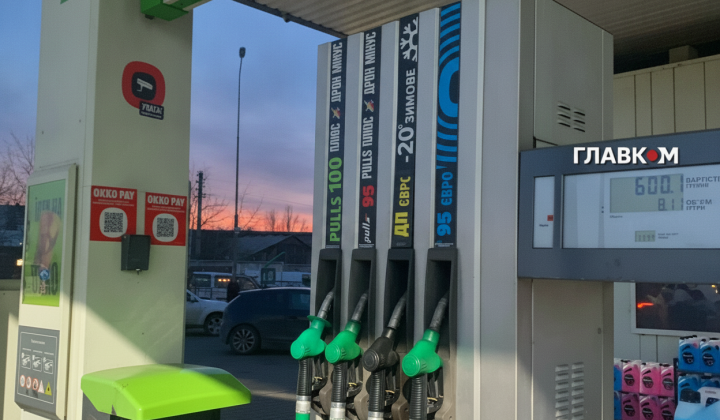
According to Главком: Major fuel station chains in Ukraine have kept their prices unchanged. The average cost of A-95 gasoline stands at 76.23 hryvnias per liter, while diesel fuel averages 77.01 hryvnias per liter. According to available data, the most expensive fuel is sold at stations run by OKKO, WOG, and Socar, whereas the cheapest options are found at BRSM-Nafta and Ukrnafta.
Cashback Program and Fuel Market
A fuel cashback initiative, active from March 20 to May 31, 2026, enabled 2.3 million Ukrainians to receive reimbursements for their fuel purchases. The compensation rates were as follows:
- 15% of the cost for diesel,
- 10% for gasoline,
- 5% for autogas.
Analysts report that Ukraine now ranks among the world's top ten countries with the highest diesel price increases, with diesel costs in the country rising by 33.9%.
Following the shutdown of Ukraine's largest oil refinery, over 85% of light petroleum products now rely on imports. Between February 26 and March 31, according to Platts data, diesel prices surged by 86%, while import prices rose by 58% during the same period. Retail fuel prices at Ukrainian stations increased by 39%, with average station prices climbing 16% for gasoline and 39% for diesel.
The Antimonopoly Committee of Ukraine has found no evidence of monopolistic practices in the fuel market. According to Pavlo Kyrylenko, the primary objective factor driving price increases is that, after the closure of the nation's largest-and effectively only-oil refinery, more than 85% of light petroleum products now depend on imports.
Additional contributors to rising fuel prices include increased demand, reduced supply, and higher logistics costs.
Ukraine's fuel market remains under strain due to heavy reliance on imports and diminished domestic production. Amid growing demand and limited supply, fuel prices are likely to stay elevated, impacting both consumers and businesses. While the cashback program offered some relief to a portion of the population, it does not address the underlying issues of import dependency and logistical challenges.

Read also