Ukraine’s Winning Formula: Strikes That Russia Can’t Defend Against


A Strategy for Victory: How Ukraine Is Turning the Tide
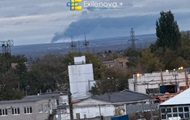
According to ХВИЛЯ: Retired Lieutenant General Ben Hodges, who led U.S. forces in Europe from 2014 to 2017, shared his vision for Ukraine’s path to victory in its war with Russia during an interview with Frontline. He noted that Ukraine has successfully shifted to an offensive stance, launching devastating strikes on Russian oil and gas infrastructure located over 1,000 kilometers away. Hodges emphasized that Ukrainian drones are consistently evading Russian air defense systems, enabling effective attacks on military logistics hubs and anti-aircraft installations.
Mounting Pressure Inside Russia and Global Developments
Conditions within Russia are deteriorating, with long lines forming at gas stations due to fuel shortages-especially after Putin banned fuel sales in occupied territories. Hodges warned that
“this source of stability will dry up,”
adding that
“he can’t be unaware that Russians are standing in hours-long queues for gasoline and can’t travel to Crimea for summer vacations like before.”
According to Hodges, this could lead to a catastrophic outcome:
“For Putin, it will be a terrible blow when people flee Crimea trying to escape, the military starts to desert, and at some point, Ukrainians can take it over.”
Hodges also reported successful strikes on four S-400 radar systems and two Pantsir units, underscoring the weakening of Russia’s air defenses. He stated that Crimea is becoming
“impossible to hold-not just for tourists, but for Russian troops as well.”
The general believes Ukraine will continue its operations
“until we in the West figure out how to assign blame for actions where the perpetrator isn’t always obvious.”
On the international stage, Lukashenko apologized to Zelensky for Belarus’s actions, claiming to have disabled or dismantled transponder systems at the border that had aided Russian drones. Meanwhile, after meeting with NATO Secretary General Mark Rutte, Trump remarked that the war is going
“pretty well”
for Zelensky. Zelensky himself announced a 40-day offensive, signaling an intensification of combat operations.
Germany has also demonstrated its readiness for potential threats, conducting its first public military exercise simulating a Russian attack on NATO’s eastern flank. Hodges concluded that Ukrainians have
“found the theory of victory-they understand exactly how they will achieve it. And so far, the Russians seem unable to stop it.”
This shift in momentum on the battlefield suggests a growing Ukrainian initiative, with serious implications for the conflict’s trajectory.
Hodges’ insights highlight a major turning point in the war, one that could shape strategic decisions on both sides. By underscoring the effectiveness of Ukraine’s strikes, he points to critical vulnerabilities in Russia’s position, including fuel shortages and degraded air defenses. These factors may prove decisive as the conflict escalates. Furthermore, increased international support for Ukraine-particularly from NATO and the United States-could influence both the duration and outcome of the fighting.
As Ukraine gains momentum in its offensive operations, the effectiveness of its strikes raises questions about Russia's ability to defend critical targets. General Hodges highlights that the situation is dire for Russian air defenses, which are struggling to cope with Ukraine's innovative tactics. For further insights on the challenges facing Russia, including the implications for cities like St. Petersburg, read more in our detailed report on the situation regarding Ukraine's ongoing strikes.

Read also