Sign-Language Interpreters Steal the Show at Eurovision 2026, Ukrainians Say

Ukraine's Eurovision 2026 Final Broadcast
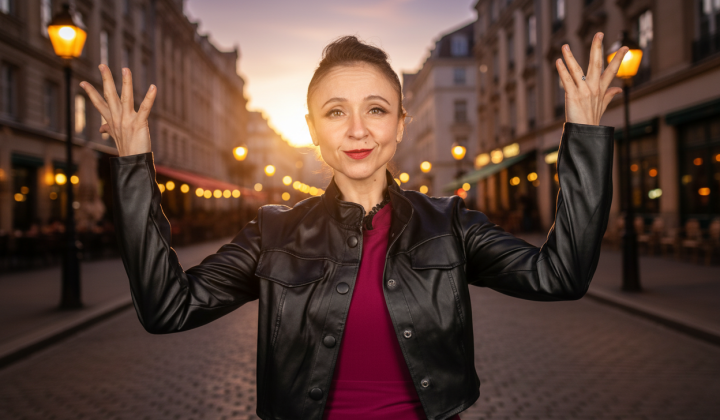
According to Главком: The 2026 Eurovision grand final was broadcast in Ukraine with sign-language interpretation, sparking a wave of excitement on the social media platform Threads. Interpreters Anfisa Khudashova, Lada Sokolyuk, and Oleksandr Rudyk handled this crucial task, while Tetiana Zhurkova was responsible for translating the dialogue. The 70th edition of the song contest took place on May 16 in Vienna.
Contest Results
Bulgaria emerged as the winner of this year's Eurovision, with Ukraine finishing in ninth place. Ukraine's representative, Leleka, performed the song 'Ridnym' alongside bandurist Yaroslav Dzhus. She received 167 points from the audience vote, and Ukraine earned a total of 221 points.
Users on Threads actively commented on the sign-language interpreters' performance, praising their skill. One user remarked:
'The sign-language interpreters at Eurovision are something special. I love watching them.'
Others added that 'our sign-language interpreters are like a separate art form. Bravo,' highlighting the artistry and emotional depth of their performances. Some even noted that 'the moment when the sign-language interpreter at Eurovision is more interesting than the singer herself.'
- 'What I liked most about this year's Eurovision was the female sign-language interpreter'
- 'I watch Eurovision just for her'
For context, Ukraine's representative Leleka performed in the Eurovision 2026 final, showcasing a high level of preparation and showmanship. It is also worth noting that Bulgaria's victory at Eurovision 2026 marked a significant milestone for their music scene.
Incorporating sign language into the Eurovision broadcast underscores the importance of making cultural events accessible to people with disabilities. It also reflects the growing emphasis on inclusivity in society and the arts. The reaction from social media users shows that such initiatives can not only improve access to content but also draw attention to the talent of the interpreters themselves, who can become standout stars of the event. In the future, this could become a standard practice for other major events, fostering greater inclusion in the cultural landscape.
In addition to the impressive performances, the Eurovision 2026 event saw Ukrainians creatively respond to the hosts, turning their moments into meme-worthy content. This playful interaction added another layer of engagement for viewers, showcasing the vibrant culture surrounding the contest. To explore how Ukrainians transformed the hosting experience into a meme phenomenon, check out this article on Ukrainians' meme creativity.

Read also