How the 1920s Ukrainianization Policy Transformed Literature Through a Rural Influx

Examining the 1920s Ukrainianization Policy
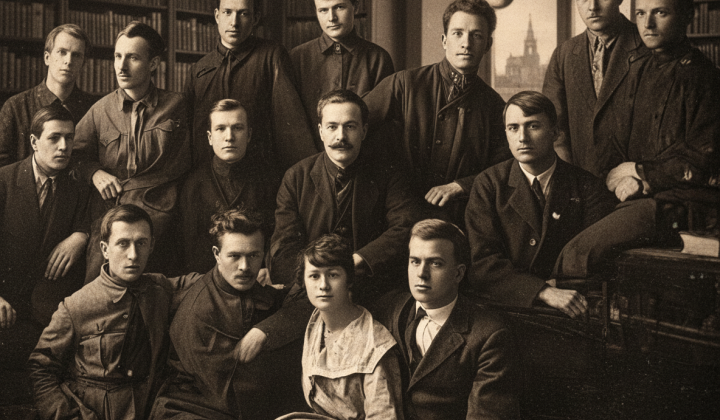
According to ХВИЛЯ: The Soviet-backed Ukrainianization campaign of the 1920s triggered a complex cultural transformation within Ukrainian literature. This policy, initiated in that decade, led to the 1922 founding of the peasant writers' union 'Pluh' (The Plow) by Serhii Pylypenko. As noted by historian Serhii Udovyik, 'Pluh' aimed to combat proprietary bourgeois ideology among the peasantry and educate its members in the spirit of the proletarian revolution. This was part of a broader Soviet strategy to consolidate power by promoting local languages while enforcing communist ideology.
Impact on the Literary Landscape
With minimal entry requirements, 'Pluh' saw a massive influx of non-professional authors.
"Thousands of novice writers with only a few years of primary schooling, rarely with accelerated workers' faculty education, churned out tons of horrifyingly primitive works."
- Serhii Udovyik. This situation drew sharp criticism in literary circles, famously satirized in the novel 'The Twelve Chairs' by Ilf and Petrov through the character of Nikifor Lyapis-Trubetskoy, who became a symbol of this literary phenomenon.
Simultaneously, an alternative union emerged: the proletarian writers' union 'Hart' (Tempering), founded by Vasyl Ellan-Blakytny. This organization represented writers striving for greater professionalism in literature and maintained a critical stance toward 'Pluh'.
"To gain status, one needed to become cultured in some way. A person didn't just become a townsman but entered a new gentry class - that of the writer."
- Serhii Udovyik.
Thus, the early 20th-century Ukrainianization policy profoundly shaped Ukraine's literary process, creating new opportunities for authors while sparking criticism over the quality of the works produced at the time.
The implementation of Ukrainianization marked a crucial stage in forming Ukraine's national identity and cultural development. Despite issues related to literary quality, this period enabled many authors to express their thoughts and ideas, thereby contributing to the evolution of the Ukrainian literary tradition. It is vital to recognize that this entire process unfolded within the context of the significant political changes and influences occurring in Ukraine during that era.

Read also