Varicose Vein Treatment Breakthrough: Ukrainian Surgeons Pioneer a New Method

Next-Generation Living Tissue Welding Technology
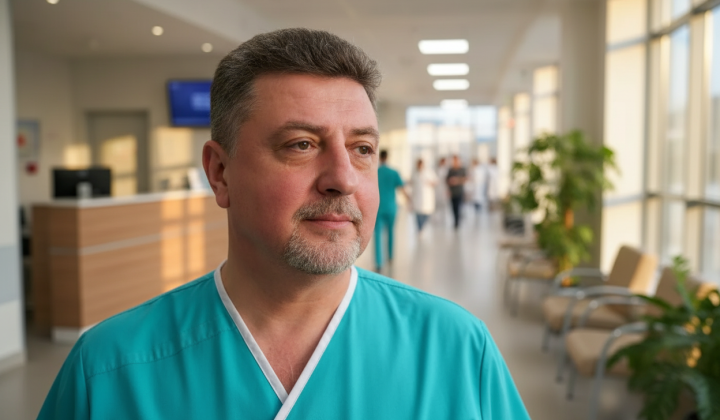
According to Главком: Vascular surgeon Vladyslav Horbovets has introduced an innovative adaptation of living tissue welding technology for treating varicose veins. This approach, rooted in developments from the Paton Institute, is presented as an alternative to laser coagulation, offering superior vein closure rates of 100% and reduced patient discomfort. Initial large-scale trials took place in the Anti-Terrorist Operation (ATO) zone. The invention has been patented, and a study detailing it was published in the leading European journal 'Phlebology'.
The Paton Institute, historically renowned for metal welding, laid the groundwork for this living tissue welding technology, which Ukrainian surgeons have been refining for years. With over three decades of medical experience, Horbovets adapted the method to treat varicose veins, enabling surgeons to stop bleeding, join living tissues, and separate them as needed. The maximum heating temperature during this procedure ranges from 55 to 80 degrees Celsius-significantly lower than laser treatments, where the vein surface can exceed 200 degrees.
Research and Future Prospects
While endovenous electrocoagulation was first developed by Slovak scientists in 1959, living tissue welding has only been actively used since 2018. Over this period, it has achieved a 100% success rate in ablation. Notably, this technique reduces bleeding control time and overall surgery duration by 30-40%. Post-procedure, most patients rate their pain between 0 and 3 on a 0-to-10 digital rating scale.
“We hold a patent for applying living tissue welding technology under specific conditions-namely, for endovenous closure.”
Vladyslav Horbovets
Compared to laser coagulation, this welding technology offers several advantages, including enhanced safety, lower operational costs, and greater device versatility.
Since the early 2000s, endovenous laser coagulation has been the gold standard for minimally invasive varicose vein treatment. However, thanks to its success rates and nearly painless nature, living tissue welding could reshape treatment protocols in this field. Horbovets added: “The future of Ukrainian phlebology lies in homegrown technologies, particularly the vein welding method.”
The technology was tested in challenging conditions, such as in hospitals in Artemivsk (now Bakhmut), where doctors treated a high volume of wounded patients daily and could apply these new methods in practice. Today, living tissue welding devices are becoming more widespread in Ukraine, with every eighth operating room in Kyiv now equipped with one. The Department of Surgery at the National University of Health of Ukraine offers specialized training cycles, including courses on endovenous welding techniques.
In summary, this Ukrainian-developed living tissue welding technology is delivering impressive results in treating varicose veins and holds significant promise for broader medical adoption. Its implementation could fundamentally alter approaches to venous disease treatment both within Ukraine and internationally, opening new possibilities for patients and healthcare facilities.

Read also