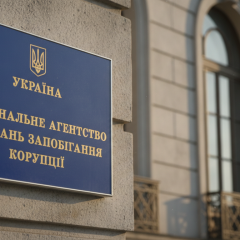
Anti-Corruption Strategy Drops Direct Mention of Urban Development Code


Government's Stance on Developing an Urban Development Code
According to Главком: The cabinet is treading carefully regarding the creation of an Urban Development Code, acknowledging the significant challenges involved. According to a report by Glavcom, the government's draft Anti-Corruption Strategy for 2026-2030 no longer explicitly references this code. However, parliamentary efforts continue, led by a working group headed by Hanna Bondar.
Persistent Issues in the Construction Sector
Both versions of the Anti-Corruption Strategy-drafted by the National Agency on Corruption Prevention (NACP) and the government-highlight an excessive number of conflicting documents in the construction industry. Deputy Head of the NACP, Dmytro Kalmykov, argues that this fragmentation creates unnecessary complexity, fosters abuse, and fuels corruption.
Dmytro Kalmykov: 'Essentially, both versions of the Anti-Corruption Strategy point out that the construction sector is burdened by too many laws and regulations that often fail to align with each other.'
Currently, the NACP's draft strategy still includes the initiative to create an Urban Development Code. The government's version retains the goal of improving construction legislation but omits any direct mention of such a code. The strategy's provisions will be implemented through the State Anti-Corruption Program, which, as Kalmykov noted, 'is about 98% written for ministries and other central executive bodies.'
Responsibility for drafting the Urban Development Code falls to the Ministry of Development. Work on the code continues in the Verkhovna Rada, but Kalmykov cautioned: 'Imagine the level of complexity-we are talking about potentially the most intricate and voluminous regulatory act that could ever exist in Ukraine.' He stressed that preparing the code will be extremely difficult, as it must balance the interests of all stakeholders. Targeted legislative improvements may seem less labor-intensive than building an entirely new code from scratch.
As a result, the fate of the Urban Development Code remains uncertain, hinging on coordinated efforts among the government, parliament, and other key parties.
Creating an Urban Development Code is a crucial step in reforming Ukraine's construction sector, as current document inconsistencies significantly hinder progress. If successful, this initiative could substantially reduce corruption and misconduct in construction, but only if the interests of all involved parties are carefully balanced. Moving forward, outcomes in this area will likely depend on close collaboration between the cabinet, the legislature, and other executive bodies.
As the government grapples with the complexities of the Urban Development Code, it is essential to consider the broader context of corruption trends in Ukraine. Recent findings indicate a significant decline in corruption levels, dropping nearly fourfold over the past 17 years. This decline could be a crucial factor in shaping the future of regulatory frameworks in the construction sector. To understand the implications of these changes, you can read more about the recent improvements in corruption rates.

Read also