EU Member States Agree to Launch Negotiation Clusters 2 and 3 for Ukraine and Moldova

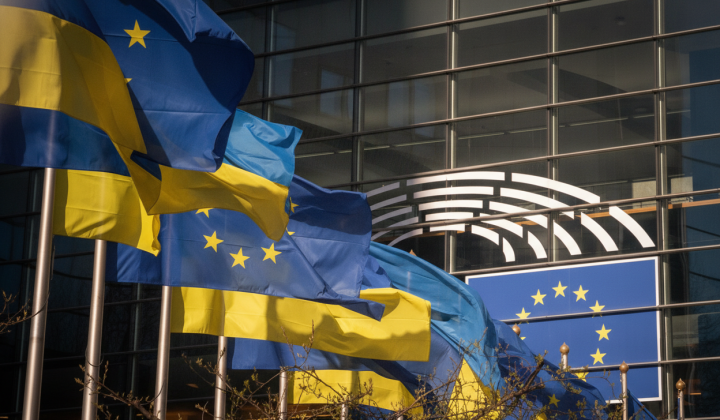
Progress in Opening Negotiation Clusters for Ukraine and Moldova
According to Рубрика — Політика: All European Union member countries have reached a consensus to initiate negotiation clusters 2 and 3 for Ukraine and Moldova. These clusters, named 'Internal Market' and 'Competitiveness and Inclusive Growth,' were unlocked following Ukraine’s adoption of a law on the educational rights of national minorities, which addressed Hungary’s concerns. On October 12, the Ukrainian Parliament passed the law with 266 votes in favor, and President Volodymyr Zelensky signed it the same day.
Ukraine’s Foreign Minister, Andriy Sybiha, informed his Hungarian counterpart, Anita Orban, about the law’s approval and expressed optimism that the two clusters would be opened the following day. Prior to this, on September 30, Ukraine and the European Commission concluded bilateral meetings as part of the official screening process assessing Ukrainian legislation’s alignment with the EU acquis.
Next Steps in the European Integration Process
It is important to highlight that on June 15, all EU countries agreed to open the first negotiation cluster for Ukraine and Moldova, focused on justice and fundamental rights. According to the established procedure, five more clusters remain scheduled for opening:
- Internal Market
- Competitiveness and Inclusive Growth
- Green Agenda and Sustainable Connectivity
- Resources, Agriculture, and Cohesion Policy
- External Relations
Ukraine aims to open the remaining clusters by October 2026.
“Following Montenegro’s 'Monday,' another 'super Tuesday' awaits Albania, Moldova, and Ukraine. I can confirm that all EU member states have agreed to open clusters 2 and 3 for Ukraine and Moldova, close chapters 17, 18, and 19 for Albania, and chapter 20 for Montenegro.”
Thomas Byrne, EU Representative
The activation of these new negotiation clusters marks a significant step forward in Ukraine’s path toward European integration. This achievement was made possible by adopting legislation aligned with EU standards, underscoring the vital cooperation between Ukraine, Moldova, and the European Union. Such collaboration supports democratic reforms and the protection of minority rights.
For English-speaking audiences, understanding the EU accession process is crucial, as opening negotiation clusters signals concrete progress in meeting EU criteria and moving closer to potential membership.
As Ukraine makes significant strides in its European integration journey, Hungary's recent approval for the opening of negotiation clusters 2 and 3 plays a crucial role in facilitating further discussions and reforms. This development underscores the importance of legislative alignment with EU standards, particularly in areas like education, which is pivotal for fostering inclusivity and competitiveness within the region.

Read also