Ireland Uncovers Rock Art Over 15,000 Years Old, Redefining Ancient Human Presence

Prehistoric Cave Art Discovered in Southwest Ireland
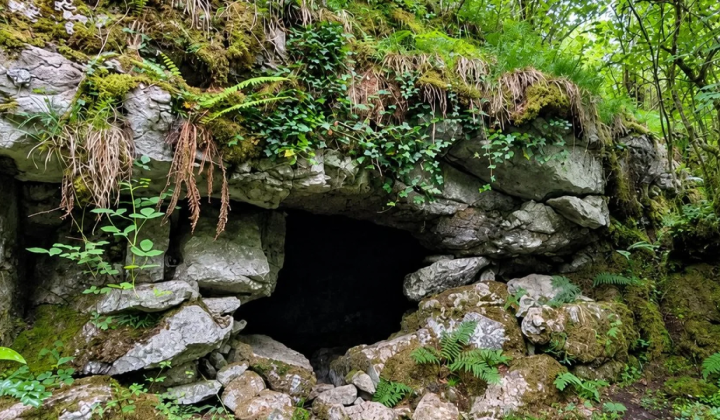
According to НВ — Техно: Archaeologists have unearthed prehistoric rock art in eight caves located in the southwest of Ireland, with datings that push back to at least 15,000 years ago. This remarkable find predates earlier archaeological evidence on the island by nearly 4,500 years, as previous discoveries dated back to around 10,500 years ago. The research is part of the "Bridge Over Lost Lands" project, which aims to investigate a possible migration route from Wales to Ireland during the last Ice Age.
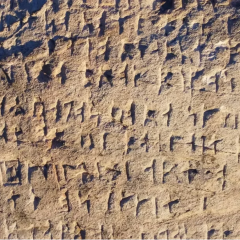
The newly uncovered artwork features animal engravings, ochre and charcoal drawings, as well as finger markings on soft cave surfaces. Among the animal depictions are species such as deer and mammoths. Researchers utilized computer modeling to identify 28 potential cave sites, ultimately finding rock art in eight of them. To protect these sensitive locations from vandalism and looting, the exact cave coordinates have not been publicly disclosed.
Revising Ireland’s Ancient Human History
These discoveries challenge earlier assumptions about the earliest signs of human activity in Ireland. Dr. George Nash remarked,
"Until now, the oldest archaeological evidence-mostly uncovered by chance-was dated to roughly 10,500 years ago. But many of us suspected this couldn’t be the full story. We simply hadn’t looked thoroughly or in the right places."
At the time, the region was inhabited by a diverse range of wildlife including wild horses, mammoths, bison, and reindeer, highlighting a rich ecosystem. During the last glacial period, sea levels were significantly lower, creating a land bridge approximately 46 miles (76 kilometers) long that connected Pembrokeshire in Wales to southeastern Ireland.
Furthermore, this research disputes earlier claims that farming appeared in Ireland before 4000 BCE. Previously, some bones found at Mesolithic sites were thought to be from domesticated animals, but the recent analysis identified them instead as remains of bears and wild boars. These findings open new avenues for understanding human history and the complex interactions between early humans and their environments.
Overall, this breakthrough alters our perception of prehistoric Ireland and the migration patterns of ancient peoples. It highlights the necessity for meticulous archaeological investigation and emphasizes the rich cultural and natural backdrop against which early human civilizations developed. The studied caves hold great potential for future research that could deepen our knowledge of human settlement and adaptation amid climatic changes.

Read also