Discovery of Microscopic Brain Channels Transporting Alzheimer’s-Related Proteins

Tracking Alzheimer’s Disease at the Brain’s Micro Level
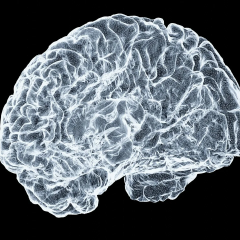
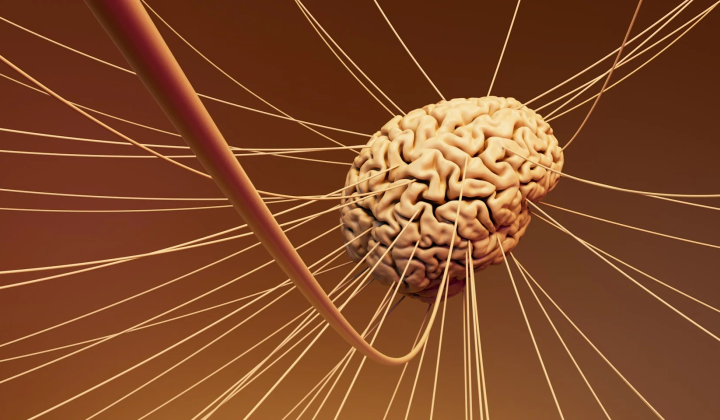
According to НВ — Техно: Neuroscientists from the UK have identified an intricate network of tiny channels, about 2 micrometers wide, within the brain that appear to clear tau and beta-amyloid proteins-both closely linked to Alzheimer’s disease. Experiments on mice showed these labeled proteins accumulating inside the channels and traveling toward the brain’s surface within just 7.5 minutes. Comparable structures were also found in brain tissue samples from five patients undergoing tumor removal surgery.
This network of channels runs alongside blood vessels, extending toward the brain’s protective membranes and nerves. Tau proteins were observed moving in similar amounts along arteriole walls and spaces surrounding venules. Researchers suggest these channels are likely formed by fibroblast reticular cells. Notably, beta-amyloid was detected inside these channels in mice genetically modified to model Alzheimer’s disease.
Unanswered Questions and Future Directions
Despite these findings, scientists remain uncertain about how proteins enter these channels or what mechanisms drive the fluid flow within them. It is hypothesized that the pulsation of blood vessels may play a role in this transport process.
“We also need to determine whether a slowdown in this pumping action contributes to Alzheimer’s development and if enhancing this flow could offer therapeutic benefits,” said David Attwell, one of the study’s lead authors.
It is important to note that brain tissue studied outside the body cannot fully replicate the brain’s natural cleansing processes, and this research did not assess treatments or impacts on memory. The study, available as a preprint on bioRxiv, serves as foundational knowledge and should not replace medical advice.
These insights have the potential to significantly advance our understanding of Alzheimer’s disease mechanisms. Identifying a dedicated channel system that removes harmful proteins opens promising avenues for developing therapies aimed at improving brain clearance. Ongoing research will be crucial to uncover the factors regulating these channels and to explore whether modulating their function can prevent or treat Alzheimer’s.
In addition to the discovery of microscopic channels, recent studies have revealed that T-cells may also play a crucial role in brain damage associated with Alzheimer’s. Understanding these immune cells' involvement could provide further insights into the disease's mechanisms and potential therapeutic strategies, complementing the findings of the intricate brain channel network.

Read also