Newly Discovered Letters in Turkey Bring Scholars Closer to Deciphering an Ancient Mysterious Language

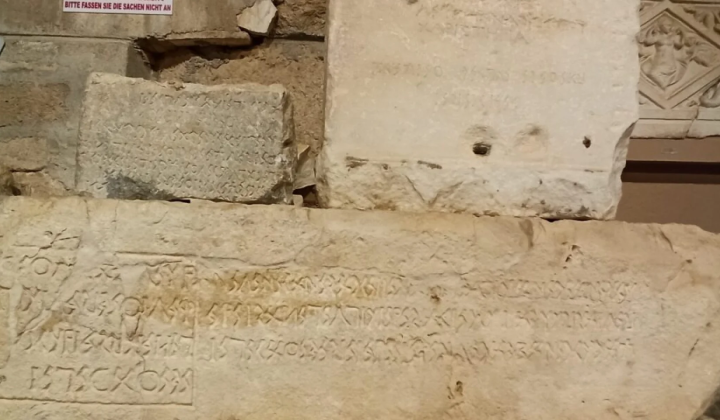
Breakthrough in Decoding an Ancient Script
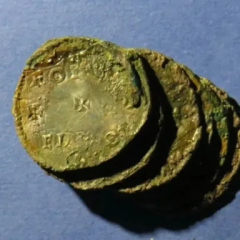
According to НВ — Техно: Thanks to recent archaeological findings in Turkey, researchers have expanded the known Sidetic alphabet from 26 to 31 characters, marking a major step toward unraveling the language. The discoveries occurred during excavations in the ancient city of Side, located in the Manavgat district of Antalya Province. Professor Feriştah Alanyalı, head of the archaeological mission, stated that the newly uncovered signs have dramatically improved the prospects for studying the Sidetic language.
Significance of the New Discoveries
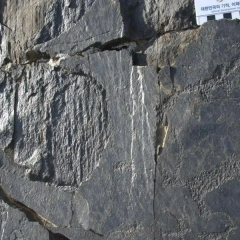
One of the most important breakthroughs is the unearthing of large, multi-line inscriptions containing 30 to 40 lines of text. Within these inscriptions, the words 'Siruawn' and 'Siruawan' appear frequently, which scholars believe to be the native name for the city of Side. It is known that the word 'Side' translates to 'pomegranate' in ancient Anatolian dialects. Researchers also confirm that the Sidetic language has Luwian origins and was in use until the end of the 2nd century BCE.
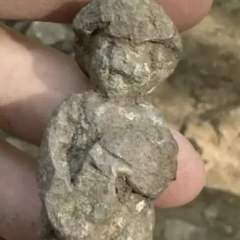
These new findings suggest that the inhabitants of Side continued to speak their native language for at least 200 years after the death of Alexander the Great. Archaeologists have also uncovered two unique seals in the city, both dating back to the 7th century BCE:
- One seal is Neo-Assyrian, excavated during modern construction work.
- The other is Neo-Babylonian, purchased by Italian researchers from local peasants before the start of the Turkish War of Independence.
'Previously, very few inscriptions were found, and almost all of them were extremely short-just one or two lines. This made deciphering an absolute nightmare for researchers. But recently, the situation has changed dramatically.' Ferishtah Alanyali
The discoveries at Side represent a significant step forward in the study of ancient languages and cultures that once thrived in what is now Turkey. The expansion of the alphabet and the new findings may open up fresh avenues for exploring the history and social structure of the region, as well as deepen our understanding of interactions between different cultures in antiquity. Further research could confirm or challenge existing hypotheses about linguistic and cultural connections between Sidetic and other ancient languages, which would in turn reshape our broader understanding of civilizational development in this area.

Read also