Salamander-Inspired Breakthrough Enables Brain Freezing Without Damage

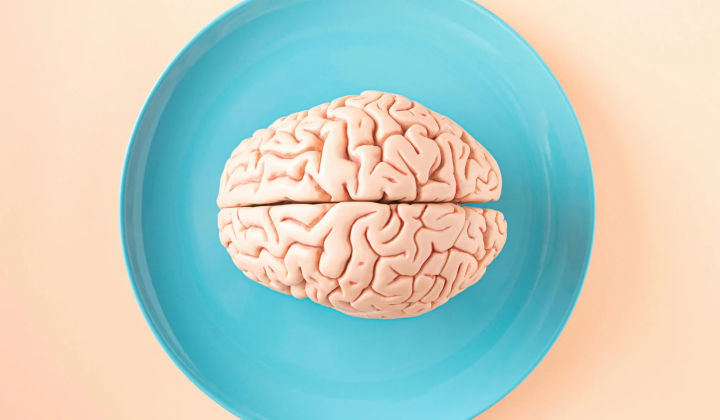
Novel Technique for Cryopreserving Live Brain Tissue
According to НВ — Техно: May 26, 20:30
Scientists at Germany's Friedrich-Alexander-Universität Erlangen-Nürnberg have unveiled a groundbreaking approach to safely freeze and revive living brain tissue. Drawing inspiration from the Siberian salamander, the method preserves both the structure and electrical activity of brain tissue throughout the freezing and thawing process. This advancement could revolutionize neurological research and medical treatments.
The primary challenge in cryopreservation has always been ice crystal formation, which can rupture cells and disrupt tissue architecture. Dr. Alexander Hermann explains:
“It is precisely the formation of ice crystals that makes extreme cold so hazardous for living organisms.” – Dr. Alexander Hermann
The Siberian salamander can survive for decades in permafrost at temperatures nearing minus 50 degrees Celsius. Its liver produces glycerol, a natural antifreeze that lowers the freezing point inside its body and shields cells during freeze-thaw cycles.
Researchers adapted principles already used for long-term storage of human embryos. In embryo preservation, cells are treated with compounds that inhibit ice formation. When cooled below minus 130 degrees Celsius, water inside the cells transitions into a glass-like state-known as vitrification-rather than forming crystals. Until now, scientists had been unable to freeze neural tissue in a way that allowed it to resume normal function after thawing.
Testing the New Method
The novel technique was tested on rodent hippocampus tissue, which was cooled to minus 130 degrees Celsius. After freezing, electron microscopy revealed no changes in tissue structure. Upon thawing, the hippocampus generated electrical signals that propagated normally through neural networks. Researchers also successfully triggered long-term potentiation of synapses, a process considered essential for learning and memory formation.
Dr. Alexander Hermann comments:
“Crystals can mechanically damage cells and destroy the delicate structure of tissues.” – Dr. Alexander Hermann
This new method could open up fresh horizons in medicine and neurology by enabling the preservation of living brain tissue for future research and therapeutic applications. The findings were reported by SciTechDaily.
Applying this technique may significantly enhance the study of neurobiology and the development of new treatment strategies, as it allows brain tissue to be stored non-destructively while retaining functionality. This, in turn, could lead to new insights into how the brain works and improved therapies for neurological disorders.

Read also