Freeze-Resistant Hydrogel for Batteries Developed by Scientists Using Liquid Metal Particles

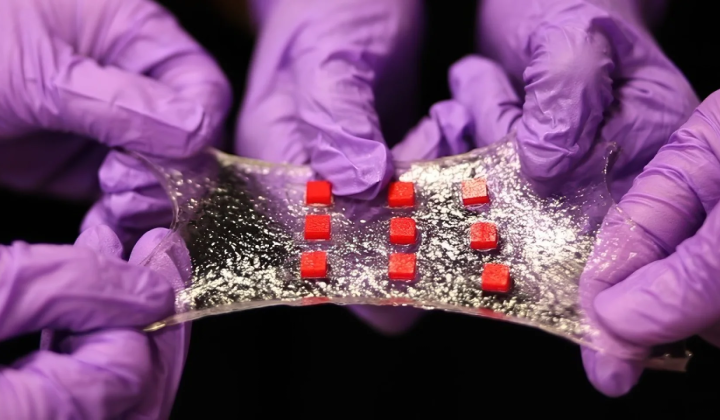
Battery Hydrogel That Defies Freezing Temperatures
According to НВ — Техно: A team of researchers has engineered a frost-resistant hydrogel for batteries by combining liquid metal particles with stearyl methacrylate. This innovative material can stretch up to 900% of its original length without breaking. Batteries built with this hydrogel retained 98% of their performance after 45,000 charge-discharge cycles, marking a significant leap in durability.
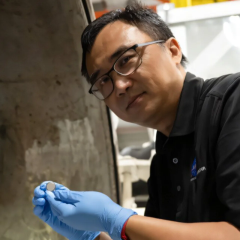
Professor Songjun Park, an expert in flexible electronics, leads the study. To create the hydrogel, the team used high-frequency sound waves to fragment liquid metal particles into tiny pieces. This method avoids the need for additional heating or ultraviolet exposure, greatly simplifying the manufacturing process.
Key Properties of the Hydrogel
The hydrogel was also immersed in a lithium chloride solution to prevent it from freezing. As a result, the material remains elastic even at temperatures as low as -20°C. The findings were published in the scientific journal Nano-Micro Letters.
“This work introduces a new design strategy for hydrogel electrolytes based on liquid metal and offers a viable platform for next-generation portable electronics and flexible energy storage systems that operate in extreme conditions.”
Professor Songjun Park
These advances could significantly influence the development of new energy and electronics technologies designed for low-temperature environments, as reported by Interesting Engineering.
The creation of this freeze-resistant hydrogel opens up fresh possibilities for building powerful, efficient batteries that can function in harsh conditions. Such innovations may represent a major step toward improving the performance of portable electronic devices and energy storage systems, which is especially relevant given global energy challenges. In the future, this could lead to lower energy costs and more effective use of renewable energy sources.
In addition to the advancements in frost-resistant materials, researchers are also making strides in battery longevity. A recent study revealed a groundbreaking battery capable of functioning for over 2,000 hours without interruptions. This innovation not only complements the findings of the hydrogel development but also emphasizes the ongoing efforts to enhance energy storage solutions. For more details on this remarkable breakthrough, see how it compares to the new hydrogel technology in our latest article that discusses uninterrupted battery operation.

Read also