Five New Species of Giant Stick Insects Discovered in Australia, Anchiale robusta Status Reinstated

Breakthrough Identification of Giant Stick Insects in Australia
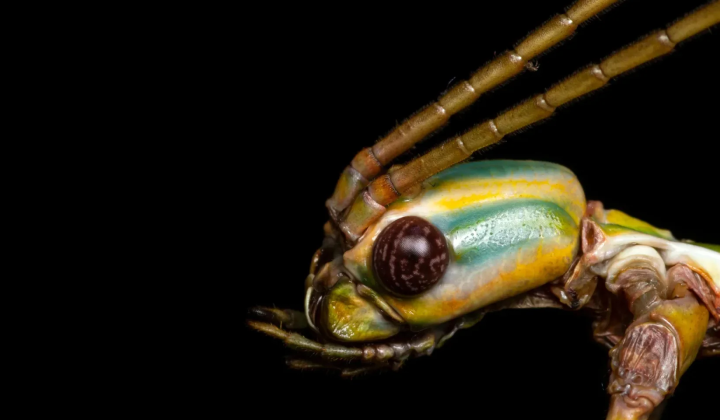
According to НВ — Техно: Researchers from the University of Sydney have completed a comprehensive review of the genus Anchiale, uncovering five distinct species of giant stick insects native to Australia. This study reinstated Anchiale robusta as a valid species and introduced Anchiale mabiensis as a newly described species. Published in Austral Entomology, these findings are crucial for improving pest management in forestry and agriculture and highlight the urgency to protect fragile ecosystems in Queensland and the Cape York Peninsula.
The revision revealed that what was previously recognized under just two names actually encompassed five separate species. Lead author Dr. Braxton Jones likened taxonomy to detective work, stating,
“Even among Australia's most photographed insects, species have been slipping under the radar of science for decades.”
The team employed DNA genetic analysis, studied museum specimens, and analyzed over a thousand images sourced from citizen science platforms like iNaturalist and the Atlas of Living Australia to reach these conclusions.
Environmental Impact and Conservation Concerns
The study clarified the identity of the large stick insect Anchiale robusta, which had long been a source of taxonomic confusion. It also introduced Anchiale mabiensis, found exclusively in the wet rainforests of the Mabi region on Queensland’s Atherton Tablelands. This sensitive plateau faces threats of habitat loss, raising alarms among conservationists. Notably, female Anchiale mabiensis lay eggs with a distinctive cap-like structure previously undocumented in related stick insect species.
One identified species is prone to population outbreaks that can defoliate entire trees within days. Distinguishing these species accurately will aid in managing pest outbreaks while safeguarding rare native wildlife. Furthermore, researchers suspect the presence of an additional, yet undescribed, stick insect species on Cape York Peninsula, pending collection of fresh field samples for confirmation.
Dr. Jones emphasized the critical need for habitat protection, stating,
“Preserving vulnerable ecosystems is essential to prevent the loss of unique species before they vanish unnoticed.”
This discovery opens new avenues for biodiversity research and reinforces the vital role of scientific inquiry in environmental preservation.
Beyond showcasing Australia's rich insect diversity, this work underscores the importance of taxonomy in shaping ecological management strategies. Recognizing new giant stick insect species could transform approaches to pest control, which is vital for maintaining the health and resilience of Australia’s forest ecosystems.
In a similar vein, recent discoveries have also shed light on marine biodiversity, as researchers identified new species of sea spiders off Canada's coast, marking a significant advancement in our understanding of these often-overlooked creatures. This trend underscores the importance of ongoing research in both terrestrial and aquatic ecosystems, revealing the hidden complexities of our natural world.

Read also