Turmeric's cardiovascular shield: what scientists uncovered about curcumin

Beyond insulin: fresh evidence links turmeric to cardiovascular protection
According to НВ — Техно: August 21, 15:14
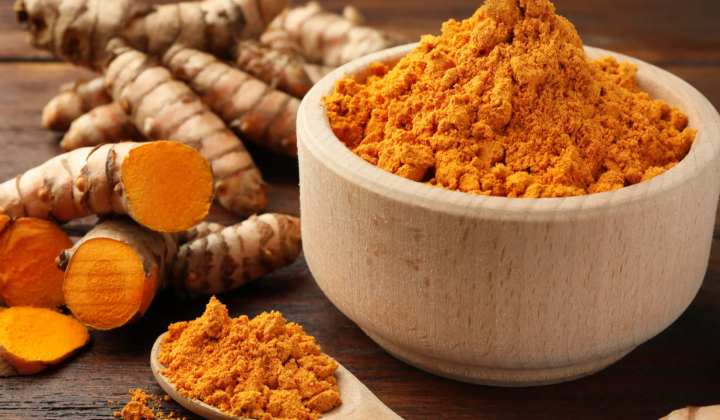
Curcumin, the yellow pigment in turmeric, has shown an ability to ease inflammation and combat oxidative stress, reinforcing the idea that the compound may offer cardiovascular protection. In animal experiments, it helped keep the aorta flexible and restored cellular processes that had been disrupted by elevated glucose levels. The findings were presented at the American Physiological Summit in Minneapolis.
Animals received the treatment for one month. By the end of that period, their calcium activity and heat shock protein 70 levels had returned to normal. That protein is thought to help blood vessel walls stay strong, which may lower the risk of heart attacks. The researchers caution against using turmeric supplements on your own, noting that safe use in humans would require lengthy clinical trials.
Where turmeric research may lead next
Future studies will need to establish safe curcumin doses and examine how the compound works with insulin. Swasti Rastogi, one of the study's authors, put it this way:
'Curcumin is not just an ordinary spice or antioxidant: it lowers inflammation, restores cellular responses, and preserves the structure of arteries.'
Swasti Rastogi
These results open up new possibilities for exploring turmeric as a supportive tool for heart health. Since cardiovascular disease and diabetes remain widespread, research like this could help guide future work in cardiology and diabetology. Curcumin may eventually be tested as an additional therapy, but clinical trials in people are still needed to confirm whether it is effective and safe. If those trials succeed, this compound could contribute to new ways of preventing and managing heart-related conditions.

Read also