Higher Numbers of Pet Cats Boost National Happiness, But Parasites Undermine It

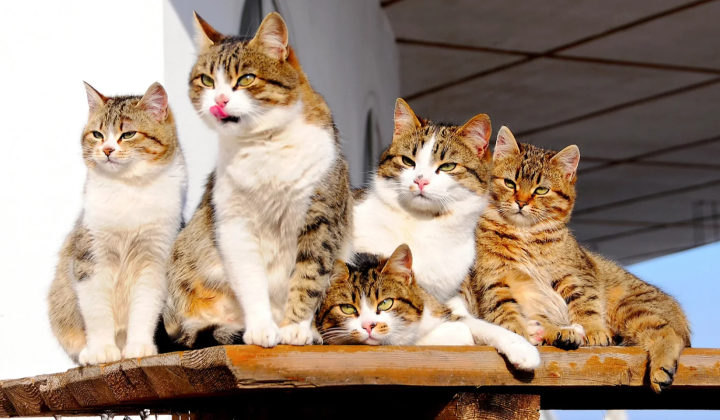
How Cats Influence Happiness Across Countries: More Felines, More Joy
According to НВ — Техно: Published on: October 3, 12:17
Researchers from the University of Chicago have unveiled a global study revealing a clear link between the prevalence of pet cats in a country and its citizens’ life satisfaction levels. Examining data from 93 nations worldwide, the study found that countries with greater numbers of domestic cats tend to report higher happiness scores. This research, led by Professor Dario Maestripieri, appeared in the scientific journal PLoS ONE.
The Relationship Between Cats and Well-Being
The investigation compared national happiness indices to cat population density, economic factors, and infection rates of the parasite Toxoplasma gondii. Results showed that more cats correlate with elevated life satisfaction. However, the study also highlighted that infections from Toxoplasma gondii, especially recent ones indicated by IgM antibodies, are linked to reduced happiness levels. Chronic infections marked by IgG antibodies appeared to have a milder effect on mood.
Interestingly, wealthier nations tend to have higher numbers of pet cats but lower parasite infection rates. This disparity is attributed to better animal care standards in affluent countries: cats are often indoor pets, fed commercial food, and receive regular veterinary attention. Conversely, in less wealthy countries, cats roam outdoors more freely, hunt rodents, and may spread infections.
Happiness is commonly measured using metrics such as GDP, average household incomes, and government healthcare spending. According to Professor Maestripieri,
“Pets reduce loneliness, strengthen emotional bonds, and alleviate stress, while caring for them reflects a society’s level of empathy.”
This study emphasizes the significance of pet cats not only for individual happiness but also for the collective emotional health of societies. The University of Chicago’s findings offer valuable insights into how companion animals contribute to social well-being.
Encouraging cat ownership could therefore be seen as an investment in both personal emotional wellness and broader societal harmony. Based on these results, policies that support pet ownership might help improve social environments and elevate national happiness levels.
As the study highlights the positive impact of pet cats on national happiness, it's interesting to note that other animals, such as birds, also play a significant role in enhancing mental well-being. A recent report reveals that for a vast majority of bird lovers, interacting with birds can provide substantial mental health benefits. Exploring these connections further underscores the importance of companionship from pets in fostering emotional health.

Read also