Holy Wednesday 2026: Observances and Restrictions for April 8

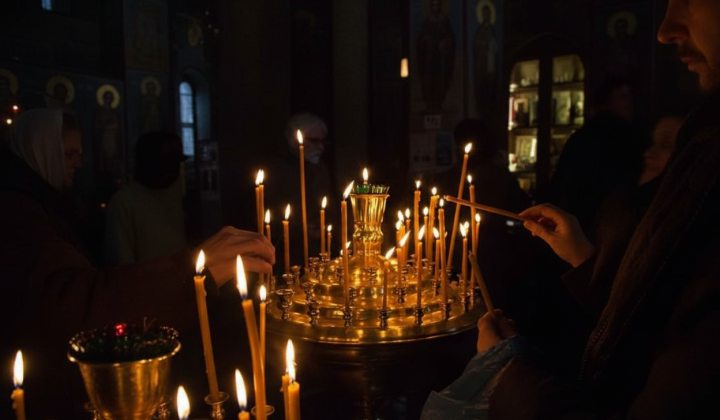
The Significance and Traditions of Holy Wednesday
According to Главком: Holy Wednesday, the third day of Holy Week, holds deep significance for Christians as it commemorates the betrayal of Jesus by his apostle, Judas Iscariot. In 2026, this solemn day falls on April 8. The day is also associated with the story of a sinful woman who washed Christ's feet with her tears and anointed them. Holy Week, which includes Holy Wednesday, is the final week of Lent leading up to Easter Sunday. For many Western Christians, this period is a time of intense reflection on the final days of Christ's earthly ministry.
Customs and Prohibitions
Traditional observances for Holy Wednesday include:
- attending church services;
- participating in confession;
- sprinkling oneself with holy water;
- cleaning the home thoroughly;
- preparing ingredients for Easter breads (Paska);
- dying Easter eggs.
Households also often engage in washing windows and decorating interiors with Easter-themed items.
Fasting is strictly observed on Holy Wednesday, permitting only simple, Lenten foods. Many adherents practice a strict dry fast, abstaining completely from meat and dairy products. The day's prohibitions also encompass:
- engaging in conflicts or arguments;
- using foul language or harboring negative thoughts;
- partaking in entertainment, singing, or dancing;
- chopping wood (considered ill-advised);
- doing needlework or handicrafts;
- neglecting one's prayer rule.
Folk beliefs associated with Holy Wednesday carry their own weight. For instance, it is said that eggs prepared on this day will keep longer, and that anger or ill will can rebound upon the sinner. If snow is still on the ground, tradition recommends collecting it, melting it, and using the water to nourish houseplants. These customs and superstitions underscore the day's focus on spiritual purification and readiness for Easter.
Holy Wednesday serves as a crucial stage in preparing for Easter, reflecting both the spiritual and practical dimensions of Christian life. This day reminds the faithful of the necessity for inner cleansing and repentance, as well as the role of tradition in shaping family values. Observing the fast and the accompanying customs helps believers focus on spiritual growth and preparation for celebrating the Resurrection of Christ.
As Holy Week progresses, understanding the significance of each day becomes increasingly important. Following Holy Monday's traditions, Holy Wednesday offers a deeper reflection on the themes of betrayal and redemption, enriching the spiritual journey leading up to Easter. This continuity highlights how each day's observances contribute to the overall significance of the week.

Read also